

December 12th, 2025
Searching "cannabis sugar wax" brings up two completely different products, and using the wrong one could ruin your batch or waste good flower.
Cannabis sugar is an edible THC-infused sweetener you make through alcohol extraction and use in baking or beverages.
Sugar wax is a high-potency concentrate designed for dabbing with specialized equipment—not for eating.
We're covering how to safely create cannabis sugar at home, including the heating step that makes THCa more potent, three alcohol evaporation methods with specific timelines, strength calculations that map flower potency to teaspoon measurements, and practical uses where sugar beats oil or butter.
We'll also clarify when DIY customization makes sense versus grabbing consistent, third-party tested edibles.
Important: Mood is not a medical authority and cannot provide health advice. Readers should consult licensed professionals for any health-related questions.
Explore our bestsellers

Pluto
From $17.00

15mg Delta 9 THC Gummies
From $19.00

Sleep Gummies
From $29.00

Rapid Onset Delta 9 THC Gummies
From $29.00

Kush Mintz
From $16.00

Wonder Bread
From $16.00

THCa Moonrocks
From $10.64/g

50mg Delta 8 Gummies
From $39.00
Table of Contents
-
Cannabis Sugar vs Sugar Wax Explained
-
What You Need Before You Start
-
How Heating Activates Your Flower
-
Creating Your Tincture and Binding It to Sugar
-
How to Evaporate the Alcohol and Dry Your Sugar
-
How to Calculate and Control Strength
-
Where Cannabis Sugar Works Better Than Oils or Butter
-
Storage, Shelf Life, and Fixing Clumps
-
Sugar Substitutes and Savory Variations That Work
-
The Real Cost of DIY vs Buying Ready Edibles
-
Choosing Your Path: DIY or Ready-Made
Cannabis Sugar vs Sugar Wax Explained
Cannabis sugar is granulated sweetener with cannabinoids bonded to sugar crystals through alcohol extraction. You use it in baking, dissolve it in beverages, or sprinkle it over food exactly like regular sugar.
When made with 3.5 grams of 20% THC flower mixed into one cup of sugar, each half teaspoon contains roughly 1.75-3.5mg THC. Store it dry and sealed like any pantry staple.
Sugar wax is a high-potency concentrate with a granulated, sugary texture used for dabbing or vaping. It requires specialized equipment like dab rigs or vaporizers and contains far more cannabinoids per gram than cannabis sugar.
Sugar wax is NOT edible—it's designed for inhalation only. The confusion comes from similar names and the crystalline appearance both products share.
The Critical Distinction
One dissolves in your morning coffee. The other requires a blowtorch and dab rig. Cannabis sugar is a baking ingredient; sugar wax is a concentrate for experienced users with vaping equipment.
Always verify which product you're purchasing or making to avoid dangerous misuse.
What You Need Before You Start
Making cannabis sugar requires basic kitchen equipment and specific ingredients. Gather everything before beginning—stopping mid-process to search for tools disrupts timing and increases risk.
Required Tools
Essential items: Mason jar with lid, cheesecloth or coffee filter, glass baking dish (Pyrex works well), wooden spoon, grater or grinder, oven thermometer.
Helpful additions: Food dehydrator (for controlled drying), small fan (for air-dry method), airtight storage containers.
Legal Reality You Must Understand
If cannabis is illegal in your state, making cannabis sugar is equally illegal. The method doesn't change legality—only your local laws matter.
Mood offers millions of users hemp-derived THC, which is 100% legal and fully compliant cannabis.
You may have heard that the legality of hemp-derived THC is currently under attack, which could threaten the wellness of so many.
Read here to learn how to join the fight, and help us keep hemp cannabis accessible to all for a long time to come.
Workspace Setup
Work in a well-ventilated area with NO open flames or ignition sources anywhere nearby. High-proof alcohol is flammable, and vapor accumulation creates fire risk.
Plan for 48-72 hours total project time if using the air-dry method, or 4-8 hours with a dehydrator. Oven method takes 30-60 minutes but requires constant attention.
Explore our categories




How Heating Activates Your Flower
Raw cannabis flower contains THCa, which becomes more potent when heated. Skipping this step is the most common mistake that yields weak, disappointing results.
THCa transforms into stronger, more familiar effects when exposed to heat at 240°F for 40 minutes. This process is essential for edibles because eating raw flower produces minimal effects.
The Heating Process
Temperature and timing: Preheat your oven to 240°F—use an oven thermometer for accuracy since built-in displays often run hot or cold. Break flower into popcorn-sized pieces rather than grinding it finely.
Step-by-step: Spread flower evenly on a parchment-lined baking sheet. Heat for 40 minutes, stirring halfway through at the 20-minute mark. Flower should turn lightly golden, not dark brown or black.
Common Mistakes to Avoid
Setting temperature too high burns off cannabinoids before they can bond to sugar. Heating too long degrades THC into less effective compounds.
Grinding flower too fine increases surface area but allows more plant material into your final product, creating bitter flavor and difficult straining.
Already-Vaped Flower Option
Already-vaped flower works because it's been heated during vaping. Expect lower strength and toasted flavor notes compared to fresh flower.
Let heated flower cool completely before the next step—adding hot flower to alcohol creates excess vapor.
Creating Your Tincture and Binding It to Sugar
Alcohol extraction pulls cannabinoids from heated flower into liquid form. High-proof grain alcohol like Everclear 190 works best because its strength efficiently dissolves cannabinoids.
Making the Tincture
Standard ratio: 3 grams heated flower to 1/2 cup high-proof alcohol. Adjust proportions based on how much sugar you're making—more flower means stronger final product.
Place heated flower in mason jar and cover completely with alcohol. Seal tightly and shake vigorously for 30 seconds to agitate plant material.
Let mixture sit for 20 minutes to 2 hours, shaking occasionally. Longer soaking extracts more cannabinoids but also more chlorophyll, which adds bitter flavor.
Straining and Binding
Filtering: Pour mixture through cheesecloth into your glass baking dish. Squeeze cheesecloth thoroughly to extract every drop—cannabinoids cling to plant material, so wringing out the cloth captures them.
Adding sugar: Use 1/2 to 1 cup granulated white sugar per 1/2 cup alcohol tincture. Less sugar creates higher potency per teaspoon; more sugar spreads the same cannabinoids across more servings.
Add sugar directly to strained tincture in the glass dish. Stir thoroughly until sugar is evenly coated with green-tinted liquid.
Spread mixture evenly across the bottom of the dish—uneven distribution leads to "hot spots" with higher potency and "cold spots" with less.
Why Glass Matters
Never use plastic containers for alcohol extraction. High-proof alcohol degrades some plastics, leaching chemicals into your tincture.
Glass baking dishes withstand alcohol and heat without degradation.
How to Evaporate the Alcohol and Dry Your Sugar
Evaporating alcohol safely is where most projects succeed or fail. Three methods offer different timelines and attention requirements.
Method 1: Air-Dry (Safest, Slowest)
Timeline: 48-72 hours depending on humidity and airflow.
Process: Place dish in well-ventilated area with a fan pointing nearby—not directly at the sugar, which scatters it. Position dish away from any ignition sources including pilot lights, candles, or electronics that could spark.
Stir mixture every 4-6 hours for the first 24 hours, then every 8-12 hours after that. Stirring prevents clumps and exposes wet sugar to air.
Done when: Sugar is completely dry and granular with no alcohol smell remaining. Rub a small amount between fingers—damp sugar feels sticky; dry sugar feels like regular sugar.
Best for: First-timers, anyone without time pressure, situations where constant monitoring isn't practical.
Method 2: Food Dehydrator (Gentle, Controlled)
Timeline: 4-8 hours depending on amount and dehydrator power.
Temperature: Set dehydrator to 95-115°F maximum. Higher temperatures risk degrading cannabinoids.
Process: Spread sugar in thin, even layer on dehydrator trays. Check and stir every hour to promote even drying and prevent clumping.
Done when: Sugar is completely dry to touch with no moisture or alcohol scent detectable. Test by feeling texture—should match regular granulated sugar.
Best for: Consistent results without constant monitoring, controlled environment that speeds drying safely.
Method 3: Oven (Fastest, Requires Most Attention)
Timeline: 30-60 minutes with constant supervision.
Temperature: 200°F MAXIMUM. Higher temperatures burn off cannabinoids and create fire risk from alcohol vapor.
Process: Preheat oven to 200°F. Place dish in oven with door cracked open 2-3 inches for ventilation. Excellent airflow is NON-NEGOTIABLE—alcohol vapor must escape.
Stir every 10-15 minutes to expose wet sugar and prevent burning. Never leave unattended—even briefly stepping away risks temperature spikes or vapor ignition.
Done when: Sugar is dry and granular. Let cool before handling or storing.
Best for: Experienced users comfortable with attention requirements, situations where faster timeline justifies increased monitoring.
Critical Safety for All Methods
Alcohol vapors are flammable. No open flames, no smoking, no ignition sources in the same room during evaporation.
Work in a well-ventilated space with windows open and fans running. Never attempt evaporation in a closed room.
Troubleshooting Common Issues
Clumpy sugar: Break apart with a fork or pulse briefly in food processor. Clumps form when sugar dries unevenly but don't indicate failure.
Still damp after expected time: Continue drying and check for adequate airflow. Humid climates extend drying time significantly.
Sugar darkening: Temperature is too high. Reduce immediately and increase ventilation.
How to Calculate and Control Strength
Homemade edibles require math to estimate potency. While home kitchens can't achieve commercial precision, basic calculations give you a starting point for strength.
Basic Calculation Example
Starting materials: 3.5 grams of cannabis flower testing at 20% THC.
Math: 3.5g × 0.20 = 0.7g THC = 700mg total THC in your flower.
Mixed into: 1 cup granulated sugar (approximately 200 grams).
Result: 700mg THC ÷ 200g sugar = 3.5mg THC per gram of finished cannabis sugar.
Per teaspoon: One teaspoon of granulated sugar weighs about 4 grams, so each teaspoon contains roughly 14mg THC. Half teaspoon contains about 7mg THC.
Adjusting Strength Up or Down
To increase potency per teaspoon: Use higher-THC flower (25-30% strains available from Mood's flower selection ), increase flower-to-sugar ratio by using more flower with the same amount of sugar, or decrease sugar amount to concentrate cannabinoids into less volume.
To decrease potency per teaspoon: Use lower-THC flower, decrease flower-to-sugar ratio, or increase sugar amount to dilute the same cannabinoids across more servings.
The Homemade Reality
Cannabinoid distribution in home kitchens is uneven no matter how thoroughly you stir. Each teaspoon may vary slightly in actual THC content.
Effects timing varies widely—30 minutes to 2 hours depending on metabolism, stomach contents, and individual factors. Start with small amounts and wait at least 90 minutes before consuming more.
Commercial precision requires industrial equipment and testing. Home calculations give estimates, not guarantees.
When Consistency Matters More Than Customization
If precise amounts per serving matter more than DIY flexibility, Mood's gummies provide fixed amounts with third-party testing. Products like the 15mg Delta-9 THC gummies deliver exact amounts every time with no guesswork.
Commercial edibles trade DIY customization for guaranteed potency and zero preparation time.
Where Cannabis Sugar Works Better Than Oils or Butter
Cannabis sugar shines in applications where oil-based edibles fail or create texture problems.
Beverages
Sugar dissolves completely in hot coffee and tea, creating infused drinks without the oil slick that cannabutter leaves floating on top. It mixes into cold drinks by first dissolving in a small amount of hot liquid, then adding to the cold beverage.
Create cannabis simple syrup by combining equal parts cannabis sugar and water, heating until dissolved. Use in cocktails, iced coffee, lemonade, or any beverage that calls for sweetener.
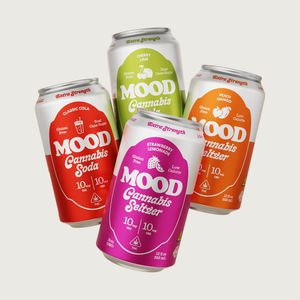
For beverages with rapid-onset technology that work in 15 minutes instead of 60-90 minutes, explore Mood's drink selection , including options like Sleep Hot Cocoa .
Baking Applications
Cannabis sugar works as a direct substitute for regular sugar in recipes. Use it in cookies, cakes, muffins, or any baked good where you'd normally add granulated sugar.
It excels in low-fat recipes where butter-based edibles create greasiness or change texture. Meringues, angel food cake, and fruit-based desserts work better with cannabis sugar than cannabutter.
Already love baked edibles? Andy's Bakery offers ready-made options including THC Chocolate Chip Cookies and THC Brownie Bites with consistent amounts per serving.
Quick Applications
Sprinkle cannabis sugar over fruit, yogurt, oatmeal, or breakfast foods for instant infusion without cooking. Rim cocktail glasses or add to frosting for no-bake applications.
Mix into salad dressings or sweet glazes where granulated sugar would normally appear in the recipe.
The Neutral Flavor Advantage
Cannabis sugar maintains the flavor profile of your original recipe better than cannabutter, which adds distinct marijuana taste. Some people enjoy cannabis flavor; others prefer neutral sweetness.
Storage, Shelf Life, and Fixing Clumps
Proper storage extends shelf life and maintains potency. Cannabis sugar stores similarly to regular sugar with a few additional considerations.
Optimal Storage Conditions
Container: Airtight jar or container prevents moisture absorption and oxidation. Mason jars work perfectly.
Location: Cool, dark, dry place like a pantry. Avoid refrigeration—condensation creates moisture that clumps sugar and potentially grows mold.
Shelf life: 6-12 months when stored properly. Cannabinoid degradation occurs slowly over time but sugar remains safe to consume.
Labeling: Clearly mark container with contents, approximate strength, and date made. Prevents confusion with regular sugar.
Preventing and Fixing Clumps
Prevention: Ensure sugar is completely dry before storing. Any residual moisture causes clumping within days. Food-grade desiccant packets help in humid climates.
Breaking up hardened sugar: Roll with rolling pin in a sealed plastic bag, quick pulse in food processor, or grate with cheese grater. Don't worry about degrading cannabinoids—these methods don't generate enough heat to cause damage.
The Critical Storage Reminder
Cannabis sugar is an edible sweetener meant for consumption. Sugar wax is NOT edible—it's designed for dabbing with specialized equipment.
If you have both products, store them in clearly different locations with obvious labels to prevent dangerous confusion.
Sugar Substitutes and Savory Variations That Work
The alcohol extraction method works with various sweeteners, each adding different flavor notes to your final product.
Alternative Sweeteners That Work
Brown sugar: Adds molasses flavor and works identically to white sugar. Dark brown sugar creates stronger molasses taste than light brown.
Coconut sugar: Provides subtle caramel notes. Binds well with cannabinoids through alcohol extraction.
Turbinado and raw cane sugar: Larger crystals take slightly longer to dry but maintain texture well.
Monk fruit sweetener: Works with the same process for zero-calorie option. Test small batch first to confirm drying characteristics.
Sweeteners to Approach Carefully
Erythritol: This sugar alcohol has different crystalline structure than regular sugar. Cannabinoid binding may vary, and it absorbs moisture differently during drying.
Powdered sweeteners: Dissolve too quickly during evaporation, making it difficult to achieve proper cannabinoid distribution.
Cannabis Salt for Savory Applications
Use the identical alcohol extraction method but substitute coarse sea salt for sugar. Creates savory seasoning for popcorn, roasted vegetables, grilled meats, or any dish where flavored salt enhances taste.
Cannabis salt offers applications cannabis sugar can't provide, expanding your infused ingredient options beyond sweets.
The Real Cost of DIY vs Buying Ready Edibles
Understanding actual costs helps decide whether DIY time investment makes financial sense for your situation.
DIY Cannabis Sugar Costs
Materials per batch:
-
3.5 grams flower: $25-40 depending on quality and location
-
Everclear 190 (750ml): $20, yields 6-8 batches
-
Sugar: $3-5 per pound, provides multiple batches
Total per batch: Approximately $28-45 in materials.
Yield: One batch produces roughly 40-60 servings at 7-10mg each, depending on flower potency and serving size.
Cost per serving: $0.75-1.50 per dose.
Time investment: 4-6 hours active work (heating flower, extraction, stirring during drying), plus 48-72 hours total elapsed time for air-dry method or 4-8 hours with dehydrator.
Variability: Strength may vary between batches and even within the same batch depending on mixing thoroughness.
Commercial Edible Costs
Price range: $2-5 per serving depending on product type and bulk purchasing.
Time investment: Zero—products arrive ready to consume with no preparation required.
Consistency: Third-party tested for exact amounts per serving. No guesswork about strength.
Convenience: No equipment needed, no waiting for drying, no cleanup, no learning curve.
The Real Trade-Off Analysis
DIY saves 50-75% on per-serving costs but requires time, equipment, and accepting variability. A regular user consuming 10mg daily spends approximately $23-45 monthly with DIY versus $60-150 with commercial products.
Commercial edibles eliminate variables and save hours of work at the cost of higher per-serving prices. Products like Mood's gummy collection trade money for precision and zero effort.
Neither approach is objectively "better"—they serve different priorities. Choose based on whether you value cost savings and customization more than guaranteed consistency and convenience.
Choosing Your Path: DIY or Ready-Made
You now understand the real difference between cannabis sugar (edible sweetener) and sugar wax (concentrate for dabbing). You know three safe evaporation methods with specific timelines, how to calculate and adjust strength, and where cannabis sugar excels in recipes.
DIY Cannabis Sugar Makes Sense When
Customization matters more than convenience. You want control over potency, flavor, and cannabinoid profile that commercial products can't provide.
Cost savings justify time investment. You consume enough to make DIY economics worthwhile, or you enjoy the creation process itself.
Recipe flexibility is priority. You want versatile ingredients for multiple applications rather than pre-portioned servings.
Ready-Made Products Make Sense When
Consistent amounts per serving are essential. You need reliable potency for medical use, microdosing protocols, or simply prefer knowing exact strength.
Time is more valuable than money saved. You'd rather invest 4-6 hours elsewhere than making edibles, even if commercial products cost more per serving.
You want guaranteed results immediately. Products like Mood's full collection arrive ready to use with no preparation, no equipment, and no learning curve.
Rapid-onset technology appeals. Mood's beverages work in 15 minutes instead of the 60-90 minutes typical for edibles.
Both Paths Are Valid
DIY enthusiasts who make cannabis sugar often still purchase commercial products for travel, convenience, or when consistent amounts matter. Commercial product users sometimes experiment with DIY for special recipes or cost savings.
The choice isn't binary. Many people use both approaches depending on the situation.
Whether you spend a weekend making cannabis sugar or grab ready-made edibles becomes a simple choice about time versus money, not skill versus failure.