

TL;DR: THC and caffeine don't cancel each other out. They work on completely different systems in your body at the same time, creating layered effects rather than neutralizing each other.
The internet is full of conflicting advice about mixing THC with caffeinated drinks. Some people swear caffeine cancels out the high, while others warn you'll end up with racing paranoia.
The truth is more nuanced and more useful than either extreme.
The ratio matters more than anything: small amounts of caffeine can actually intensify your THC experience, making it feel sharper and more focused, while large amounts of caffeine can mask how intoxicated you are, leading you to consume more THC than you intended.

Table of Contents
-
The Short Answer
-
How Caffeine and THC Work Together
-
What the Combo Actually Feels Like
-
Timing and Onset with THC Drinks
-
Physical Effects to Watch
-
Mental Effects and the Masking Problem
-
Smart Ways to Try the Mix Safely
-
THC Energy Drink Options and Legality
-
Reading Labels and Counting Caffeine
-
Choosing Your Approach
Explore our bestsellers
Go to Pluto  Top ShelfCreative
Pluto
4.54(5.5k)highFrom $17.00
Go to 15mg Delta 9 THC Gummies  Classic
15mg Delta 9 THC Gummies
4.6(14.2k)highFrom $19.00
Go to Sleep Gummies  Sleepy
Sleep Gummies
4.61(9.7k)highFrom $29.00
Go to Rapid Onset Delta 9 THC Gummies  Classic
Rapid Onset Delta 9 THC Gummies
4.31(4.5k)mediumFrom $29.00
Go to Kush Mintz  Aroused & Happy
Kush Mintz
4.49(3k)highFrom $16.00
Go to Wonder Bread  Focused & Creative
Wonder Bread
4.5(1.6k)highFrom $16.00
Go to THCa Moonrocks  Classic
THCa Moonrocks
4.45(908)highFrom $10.64/g
Go to 50mg Delta 8 Gummies  Classic
50mg Delta 8 Gummies
4.57(4.3k)highFrom $39.00
-
Making the Right Call for Your Day
The Short Answer
No, caffeine and THC do not cancel each other out. They operate on different neurotransmitter systems simultaneously, creating what feels like layered or sometimes conflicting effects.
Caffeine blocks adenosine receptors in your brain to promote alertness. THC binds to cannabinoid receptors to alter mood, perception, and memory.
When you combine them, both effects happen at once—you might feel the mental elevation of THC alongside caffeine's physical energy, or you might experience the disorienting push-pull of feeling mentally foggy while physically wired.
The timing also matters significantly. Nano-emulsified THC drinks take 15-30 minutes to feel effects.
Standard THC edibles take 30 minutes to 2 hours. If you're mixing energy drinks with any THC product, understanding these timelines prevents the classic mistake of consuming more because "it's not working yet."
For healthy adults, 400mg of caffeine per day is considered the safe upper limit. Start with smaller amounts of both substances than you'd normally consume individually.
Wait at least an hour to gauge how you feel before taking more. Stay hydrated, and never assume that feeling alert means you're safe to drive or make important decisions.
How Caffeine and THC Work Together
Caffeine's mechanism is straightforward. It blocks adenosine receptors in your brain—adenosine is the neurotransmitter that makes you feel tired and promotes rest.
When caffeine blocks these receptors, neural activity increases, making you feel more awake and alert.
THC binds to cannabinoid receptors (primarily CB1 receptors in the brain), influencing how your body processes signals related to mood, memory, sensation, and perception. This is what creates the characteristic effects of cannabis.
The ratio effect is where things get interesting. Research suggests that low amounts of caffeine—think half a cup of coffee—can actually enhance the perceived strength of a THC experience. The alertness seems to sharpen the mental aspects of the high, making it feel more pronounced.
High amounts of caffeine—like a full energy drink or multiple cups of coffee—tend to have the opposite effect, masking some of THC's intoxicating qualities and creating a false sense of sobriety.
It's worth noting that direct human research on energy drinks combined with cannabis specifically is limited. Most available data comes from studies examining caffeine and THC more broadly, plus some animal research.
Effects vary significantly person-to-person based on tolerance, metabolism, body chemistry, and the specific amounts consumed.
Explore our categories




What the Combo Actually Feels Like
User reports of mixing THC with caffeine range dramatically. Some people describe a "mellow but alert" experience—they feel mentally elevated and creative while maintaining physical energy and focus. Others report feeling jittery, scattered, or experiencing heightened uneasiness.
These are anecdotal experiences without scientific validation.
The variability comes down to individual body chemistry, the specific ratio of caffeine to THC, timing of consumption, and tolerance to both substances. What works smoothly for one person might feel uncomfortable or overwhelming for another.
The most common trap is the masking effect. When caffeine keeps you feeling physically energized, it's easy to misjudge how intoxicated you actually are.
You might feel alert enough to drive or handle complex tasks, but THC is still affecting your coordination, reaction time, and judgment. Feeling awake is not the same as having clear cognitive function or safe motor control.
Some users specifically seek this combination for creative work or social situations. The idea is that caffeine provides conversational energy while THC reduces social inhibitions. For others who find THC too sedating on its own, adding caffeine creates a more balanced experience.
These benefits are highly individual and unpredictable.
Timing and Onset with THC Drinks
Understanding onset times prevents the most common mistake with THC amounts. Nano-emulsified THC drinks typically take 15-30 minutes to produce noticeable effects. Standard THC edibles take 30 minutes to 2 hours, sometimes longer depending on what else you've eaten.
The difference comes down to particle size and absorption pathways. Nano-emulsification shrinks THC molecules to roughly 20-200 nanometers—about 1,000 times smaller than normal.
At this microscopic size, THC can mix with water and your body starts absorbing it immediately through your mouth and esophagus, rather than waiting for fat digestion in your stomach. This dramatically improves bioavailability from the typical 4-6% with regular edibles to 20-30% with nano formulations.
Setting a 45-minute timer after your first sip prevents the "it's not working" panic that leads to consuming too much. If you're combining with an energy drink that kicks in immediately, you'll feel caffeine's effects right away while waiting for THC to build. This can create impatience.
For those interested in predictable training timing, Boost Pre-Workout with nano-emulsified Delta-9 THC delivers onset in 5-15 minutes.
The product comes in 4mg and 12mg THC options, both containing the same performance ingredient base including dehydrated caffeine, so you get consistent energy components regardless of THC strength chosen.
Factors affecting your personal timeline include whether you've eaten recently (food adds 15-30 minutes), your metabolism speed, current hydration level, and individual tolerance. An empty stomach can make everything hit 30% faster and feel stronger.
Physical Effects to Watch
Both caffeine and THC independently increase heart rate and blood pressure.
When combined, these cardiovascular effects can compound, potentially causing tachycardia—a heart rate exceeding 100 beats per minute. This is particularly concerning for anyone with pre-existing heart conditions.
The combination amplifies risk of feeling lightheaded or experiencing a racing heart. If you notice your heart pounding uncomfortably, sit down, focus on slow breathing, and drink water.
These symptoms usually pass as the substances metabolize, but they're your body's signal that you've pushed too far.
Dehydration becomes a layered problem. Caffeine acts as a diuretic, increasing urination and fluid loss. THC commonly causes dry mouth and can reduce saliva production.
Together, they create significant dehydration risk, especially if you're physically active. Symptoms include dizziness, confusion, and in severe cases, heat exhaustion. Drinking water throughout your experience isn't optional—it's essential.
A less-discussed issue is gastrointestinal intensification. Caffeine stimulates acid production and can trigger reflux or upset stomach in sensitive individuals.
THC can cause stomach discomfort in some people, particularly at higher amounts. When combined, these effects might amplify, making your stomach feel genuinely rough.
For workout contexts, there's a specific concern about caffeine's discomfort-masking properties. Caffeine blocks adenosine receptors, which normally signal discomfort and fatigue.
This can be useful for pushing through a tough set, but it also means you might not notice when you're genuinely injuring yourself. Combined with THC's own effects on perception, the risk of overexertion increases.
Mental Effects and the Masking Problem
The combination of caffeine's energizing properties with a psychoactive substance can significantly heighten feelings of uneasiness, confusion, or paranoia in susceptible individuals. If you're prone to cannabis-induced nervousness, adding strong caffeine rarely improves the situation.
Animal research provides some concerning insights into cognitive effects. A 2012 study in rats found that caffeine combined with low-amount THC impaired working memory more severely than higher amounts of THC alone.
A 2014 study showed that low caffeine enhanced THC's effects, while high caffeine had the opposite impact. The interaction in animal studies suggests the interaction is amount-dependent and complex, though we should be cautious about directly applying animal research to human experiences.
The most critical concern is the masking effect. Caffeine's stimulation can hide THC's sedating or intoxicating qualities, creating false alertness. You might feel energized and capable, but your actual judgment, coordination, and reaction time are still significantly impaired.
This false confidence leads to risky behaviors—driving while actually impaired, making poor decisions, or consuming additional THC because you "don't feel it enough."
Over time, if caffeine consistently masks your THC intoxication and leads to consuming larger amounts, this pattern could contribute to developing problematic usage habits. The more you rely on caffeine to function while using THC, the more your baseline consumption may creep upward.
Remember: feeling alert is not the same as being sober.
Even if caffeine has you feeling conversational and energized, THC is still affecting cognitive processes that matter for safety. Don't drive, operate machinery, or handle important responsibilities based solely on how awake you feel.
Smart Ways to Try the Mix Safely
The foundation of safe experimentation is starting low and going slow. Use substantially smaller amounts of both caffeine and THC than you would consume individually.
Wait at least an hour—ideally longer—to gauge how the combination affects you before consuming more.
Understanding your body's response to each substance separately before combining them gives you a baseline. If you've never used THC before, mixing it with caffeine immediately adds unnecessary complexity.
Same if you rarely consume caffeine—adding a new variable makes it harder to know what's causing which effect.
Stay hydrated proactively, not reactively. Start drinking water before you consume either substance and continue throughout. Both contribute to dehydration, and waiting until you feel thirsty means you're already behind.
Consume in a safe, comfortable, familiar environment where you can sit down if effects become overwhelming. Having CBD on hand can potentially help soften unwanted THC effects for some people, though this isn't guaranteed. The key is being somewhere you feel secure if things don't go as planned.
Reading labels carefully prevents accidental overconsumption. Many energy drinks list caffeine content per serving rather than per can, and a single can might contain two or three servings.
If a label says "75mg caffeine per serving" and the can holds two servings, you're actually consuming 150mg. Pay attention to serving sizes versus container sizes.
Guarana appears in many energy drinks as a "natural" ingredient but contains significant caffeine beyond what's listed as pure caffeine content. If you see guarana on the label, your actual caffeine intake is higher than the stated amount.
Other energy drink additives create their own considerations. Taurine affects blood pressure and electrolyte balance, though long-term effects aren't well-studied.
Excessive B vitamins have upper limits—too much can cause nerve issues or liver concerns. Ginseng can disturb rest patterns and interacts with various medications. High amounts of L-carnitine may cause gastrointestinal distress and carry potential cardiovascular risks.
If you're taking prescription medications, caffeine interactions matter.
Medications like Adderall, certain antibiotics, and some antidepressants can interact with caffeine in ways that amplify or alter effects. A single energy drink can contain as much caffeine as four cups of coffee, which is a substantial amount if you're already medicated.
The safe upper limit for healthy adults is 400mg of caffeine per day from all sources.
If you've had coffee in the morning and tea in the afternoon, that energy drink at night might push you over the threshold. Track your total daily caffeine consumption, not just individual drinks.
This information is educational and not advice from healthcare professionals. Consult a healthcare professional before combining these substances, especially if you have heart conditions, high blood pressure, or tendencies toward uneasiness. What's safe for one person may not be safe for you.
THC Energy Drink Options and Legality
THC energy drinks are beverages that combine cannabis compounds with caffeine, aiming to deliver balanced effects of mental elevation with physical energy. Typical commercial products contain 2.5-10mg THC and 90-150mg caffeine per serving.
Federal compliance for many of these products relies on hemp-derived Delta-9 THC containing less than 0.3% THC by dry weight. We offer millions of users hemp-derived THC, which is 100% legal and fully compliant cannabis.
You may have heard that the legality of hemp-derived THC is currently under attack, which could threaten the wellness of so many.
Read here to learn how to join the fight, and help us keep hemp cannabis accessible to all for a long time to come.
State restrictions vary significantly. Some states have implemented their own regulations limiting or prohibiting hemp-derived intoxicating products, even when federally compliant.
Shipping restrictions exist in several states, meaning products legal at the federal level might not be accessible where you live.
We offer several products relevant to this category.
Boost Pre-Workout combines nano-emulsified Delta-9 THC with workout-enhancing ingredients including dehydrated caffeine. It's available in Standard (4mg THC) and Advanced (12mg THC) formulations, with onset in 5-15 minutes and effects lasting 4-6 hours.
Both versions contain the same performance base of 16 nutrients supporting energy, strength, endurance, focus, and hydration.
The product comes in individually portioned stick packs designed to mix with water 15-30 minutes before training.
For those who want caffeine flexibility, Euphoric Nano THC Syrup contains 23mg green tea caffeine and 1mg vitamin B6 alongside THC. This mixer format lets you add both components to your beverage of choice, giving you control over exactly how much you're consuming and when.
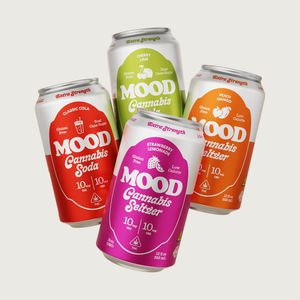
If you'd rather avoid the caffeine-THC complexity entirely, our THC Seltzers and THC Sodas deliver 5mg or 10mg THC with nano-emulsification for 15-30 minute onset, without any caffeine.
These provide the social experience and mental elevation many people seek without the energizing push-pull.
For morning energy without combining substances, Morning Delta-9 THC Gummies provide an energizing, focused mental boost without the jitters associated with caffeine.
They're designed specifically for daytime use with effects starting in 5-15 minutes.
The alternative to commercial products is mixing yourself—brewing coffee or tea and adding a measured amount of THC from a tincture, oil, or beverage enhancer.
This gives you precise control over both components but requires more attention to measurement and timing.
Reading Labels and Counting Caffeine
Creating a mental checklist prevents accidental overconsumption.
Track your total daily caffeine from all sources—morning coffee, afternoon tea, pre-workout supplements. Then check the THC amount per can, not just per serving. Finally, scan for hidden sources like guarana that add uncounted caffeine.
Nano formulations act faster because of increased particle surface area.
When THC particles are shrunk to 10-100 nanometers in size, your body has exponentially more access points for absorption. This is why nano drinks hit in 15-30 minutes while standard edibles take much longer—the technology isn't changing the THC itself, just how quickly your body can process it.
Carbonation in seltzers speeds absorption even further. The bubbles help carry THC across mucous membranes in your mouth and throat, adding another fast-acting pathway before the drink even reaches your stomach.
Using our products as an educational example: Boost Pre-Workout clearly states whether you're getting 4mg or 12mg THC, shows the caffeine content as dehydrated caffeine in the ingredient list, and specifies never to exceed one serving in 24 hours. This level of labeling clarity helps you make informed decisions without guessing at potency or timing.
When you see guarana on any label, understand that it's adding caffeine beyond what's listed. The same goes for other plant-based caffeine sources.
Your actual intake is higher than the pure caffeine number shows.
Always check if caffeine content is listed per serving or per container. A can labeled "80mg caffeine" might be two servings, meaning you're consuming 160mg if you finish the can. This detail matters when tracking your 400mg daily limit.
Consider the cumulative effect. If you had two cups of coffee (200mg caffeine) with breakfast, an afternoon iced tea (50mg), and now you're looking at an energy drink (150mg), you're at 400mg before the energy drink even enters the equation.
Skipping the caffeinated option and choosing a non-caffeinated THC drink might be the smarter choice for that moment.
Choosing Your Approach
You have three basic paths forward, each suited to different situations and safety profiles.
Caffeinated THC makes sense if you're well within your daily caffeine limits, you understand how your body reacts to both substances individually, you're in a safe environment where you'll stay put for several hours, and you have no plans to drive or handle important responsibilities.
For training specifically, a product like Boost Pre-Workout offers measured amounts with predictable timing.
For DIY approaches, you control exactly how much of each component you're adding.
Non-caffeinated THC eliminates the complexity entirely. Our THC Seltzers and Sodas deliver the social, mental experience many people seek without introducing caffeine into the mix.
You still get fast-acting nano-emulsified THC in 5mg or 10mg options, but you avoid the cardiovascular amplification, the masking effect, and the push-pull sensation some people find uncomfortable. This is often the better choice for social situations where you want to stay present and comfortable.
Skip it today if you've already consumed significant caffeine, if you're uncertain about your tolerance to either substance, if you have any heart-related concerns, or if you need to drive within the next several hours.
There's no judgment in recognizing that a particular combination doesn't fit your current situation. Different approaches work for different people and different days.
The goal isn't to convince you that mixing caffeine and THC is good or bad—it's to help you make informed decisions based on your specific circumstances. Some people genuinely enjoy the balanced effects for particular activities. Others find it's not worth the complexity or risks.
Both perspectives are valid.
Making the Right Call for Your Day
The two mistakes that cause the most problems are misjudging timing and masking effects, and miscounting total caffeine intake. Set that 45-minute timer. Track your cumulative caffeine from all sources, not just the drink in front of you.
Match your approach to your actual goals. If you're training and want predictable onset timing with measured ingredients, Boost Pre-Workout is designed for that specific use case.
If you're in a social setting and want a mellow, comfortable experience, a 5mg seltzer without caffeine gives you the elevation without the caffeine complications. If you're doing creative work in the morning and want control over both components, the DIY route with coffee and a measured THC serving lets you dial in exactly what works for your routine.
Understanding your body and making informed choices matters more than following any single recommendation.
We provide products with third-party testing, clear labeling, and transparent ingredient lists because informed consumers make better decisions.
Whether you choose caffeinated or non-caffeinated options from our beverages collection, you're working with consistent, reliable formulations.
This article provides educational information, not advice from healthcare professionals. Individual responses to THC and caffeine vary significantly. Consult a healthcare professional before combining these substances, particularly if you have cardiovascular conditions, take prescription medications, or have personal or family history of substance use concerns. What works safely for one person may not be appropriate for you.