


November 25th, 2025
Quick Reference: Most people start with 2.5-5 milligrams of Delta-9 THC, while true beginners benefit from 1-2.5mg. Wait 2 full hours before taking more with edibles, 15-45 minutes with tinctures.
Effects last 4-8+ hours with edibles, 2-4 hours with drinks. These timeframes prevent the most common mistake—taking a second serving before the first fully manifests.
Explore our bestsellers

Pluto
From $17.00

15mg Delta 9 THC Gummies
From $19.00

Sleep Gummies
From $29.00

Rapid Onset Delta 9 THC Gummies
From $29.00

Kush Mintz
From $16.00

Wonder Bread
From $16.00

THCa Moonrocks
From $10.64/g

50mg Delta 8 Gummies
From $39.00
Table of Contents
-
Your Starting THC Amount and Wait Time
-
Why Edibles Feel Stronger and Last Longer Than Vaping
-
Calculate Your Starting Milligrams by Weight and Experience
-
What Changes How THC Feels (Even at the Same Amount)
-
Lock In Your Personal Sweet Spot With Three Sessions
-
What Happens If You Take More Than Intended
-
Match Your THC Amount to Format and Timing Goals
-
Converting From Delta-8 or Other Cannabinoids
-
Managing Tolerance and Ensuring Consistency
-
Legal THC Explained in Under Two Minutes
-
Your Week One Action Plan
Your Starting THC Amount and Wait Time
Finding your starting amount means choosing between caution and effectiveness. We recommend 2.5-5mg of Delta-9 THC for most first experiences, with 1-2.5mg for those who want extra conservatism.
The Canadian government recommends 2.5mg as the starting amount after extensive research into first-time user experiences. Starting here provides valuable data without risk.
You learn your onset time, peak intensity, and duration while staying in comfortable territory where you still function normally if needed.
Micro-Dose Delta-9 THC Gummies represent the safest entry point. These let you experiment with precise low amounts rather than cutting higher-strength products.
Starting conservative prevents 4-8 hour uncomfortable experiences that turn people away from cannabis entirely.
Wait times vary dramatically by consumption method. Edibles require the full 2-hour window because your liver processes THC differently than other methods.
Tinctures held under your tongue bypass some liver metabolism, reducing onset to 15-45 minutes.
Horror stories about overwhelming experiences all share the same pattern. Someone takes an edible, feels nothing after an hour, takes another serving, and then both hit simultaneously around the two-hour mark.
The experience becomes unmanageable when patience would have prevented discomfort entirely.
Why Edibles Feel Stronger and Last Longer Than Vaping
Your liver performs a chemical transformation that explains everything about edible experiences. When you eat Delta-9 THC, your liver converts it into 11-hydroxy-THC.
This metabolite crosses into your brain more effectively than the original compound, creating stronger effects that last significantly longer.
Vaping delivers Delta-9 THC directly to your bloodstream through your lungs. Effects begin within minutes but fade in 2-4 hours.
Edibles take 30-120 minutes to manifest but last 4-8+ hours because of this metabolic conversion.
Hemp-derived products can deliver substantial milligrams while maintaining legal compliance through weight-based calculations.
Because gummies are relatively heavy (around 5.5 grams each), they can contain meaningful THC amounts.
The weight-based calculation enables strong effects while maintaining legal status. 15mg Delta-9 THC Gummies deliver meaningful effects through this legal framework.
Mood offers millions of users hemp-derived THC, which is 100% legal and fully compliant cannabis.
Explore our categories




Calculate Your Starting Milligrams by Weight and Experience
Body weight influences your starting amount, but individual variation matters more than charts suggest. These ranges provide rough guidelines, not guarantees.
For 100-150 pounds, starting with 2-5mg makes sense. For 150-200 pounds, 5-7mg works for most people. Above 200 pounds, 5-10mg represents a reasonable beginning.
Bioavailability differences between consumption methods explain why the same milligram amount feels different. When you eat 10mg of THC, only 1-2mg reaches your bloodstream due to first-pass liver metabolism.
Vaping 10mg delivers 3-4mg directly to your system.
This absorption gap means that 10mg eaten produces milder effects than 10mg vaped, even though the label shows identical amounts.
Understanding bioavailability prevents confusion about why products with matching milligrams create different experiences.
Mood's product range from microdose to 30mg high-potency options lets you test different strengths without switching brands mid-calibration. Maintaining consistency in everything except the milligram amount isolates the variable you're actually testing.
What Changes How THC Feels (Even at the Same Amount)
Yesterday's gummy hit differently than last week's, yet you took the same amount both times. The difference came from your meal timing and composition, creating entirely different absorption conditions.
Fatty foods increase THC absorption significantly because cannabinoids are fat-soluble. Taking your gummy with peanut butter or after a meal with healthy fats amplifies effects.
Protein-heavy meals slow absorption instead.
Empty stomach consumption accelerates onset to around 45 minutes but intensity spikes feel overwhelming.
Full stomach consumption delays effects up to 2 hours, creating a smoother and more gradual experience curve.
CBD ratios change intensity dramatically. Mood's 15mg Delta-9 gummies contain equal amounts of CBD (15mg each), creating a 1:1 ratio.
This produces very different effects than 15mg of Delta-9 alone.
CBD modulates THC's psychoactive effects, meaning 15mg of Delta-9 in a 1:1 product feels substantially less intense than 15mg of pure THC. Understanding this ratio explains why identical milligram labels create different experiences across products.
Your liver contains unique enzyme variations that process THC at different speeds. Think of alcohol tolerance—nobody expects two people to react identically to the same beer, yet we somehow expect universal THC experiences.
Your endocannabinoid system remains as unique as your fingerprint.
For consistent results, standardize your approach. Take products at the same time relative to meals.
Most users succeed by taking them 30 minutes after a light snack, balancing onset speed with smoothness. Consistency comes from repetition.
Lock In Your Personal Sweet Spot With Three Sessions
Transform THC consumption from guesswork into predictable science through systematic calibration. This three-session protocol reveals your optimal amount within a week.
Session 1: Take 2.5mg after dinner. Wait 120 minutes before evaluating.
Record your onset time, peak intensity on a 1-10 scale, total duration, and next-morning feeling. These data points inform every future decision.
Session 2: Adjust based on your first experience. No effects at 2.5mg?
Try 5mg. Was 2.5mg perfect? Confirm with another 2.5mg session. Too strong? Try 1.25mg by cutting in half.
Session 3: Confirming your sweet spot means taking the amount that worked best in session 2. Use the same timing and conditions to verify reproducibility.
Two successful sessions at the same amount establish your baseline.
This framework pairs perfectly with Mood's 100-day money-back guarantee. Both uncertainty and financial risk disappear when you follow structured calibration.
Microdosing at 1-2.5mg appeals to those seeking sub-threshold benefits without noticeable effects. Some people find this range provides mood elevation and enhanced sensory perception while maintaining full functionality for work and social situations.
What Happens If You Take More Than Intended
Overwhelming experiences remain temporary and manageable, despite how intense they feel in the moment. Most discomfort eases within 4-6 hours, though you might feel residual effects up to 8 hours.
Practical steps help you ride it out comfortably. Hydrate consistently throughout the experience.
Find a calm space where you feel safe and can rest if needed. Remember that no documented cases exist of fatal overdoses from cannabis consumption—you're experiencing discomfort, not danger.
CBD may help modulate effects by interacting with the same receptors. Some people find that taking CBD during an overwhelming experience softens the intensity.
Results vary individually, but many users keep CBD products on hand specifically for this purpose.
Rapid Onset Delta-9 THC Gummies compress the timeline dramatically. Effects manifest within 5-15 minutes rather than the typical 30-120 minutes.
This shortened window leaves much less room for error if someone takes too much thinking they have the usual 2-hour buffer.
The faster onset comes from nano-emulsion technology that breaks THC into tiny particles your body absorbs quickly. While this predictability removes guesswork, it also accelerates any mistakes.
Start with half your usual amount when trying rapid onset formats.

Match Your THC Amount to Format and Timing Goals
Different formats serve different purposes based on how long you want effects to last and how precisely you need to measure amounts.
Gummies provide long, steady effects ideal for extended relaxation or evening use. Each piece contains exact milligrams, eliminating guesswork.
Effects last 4-8+ hours, making them perfect when you want sustained experiences.
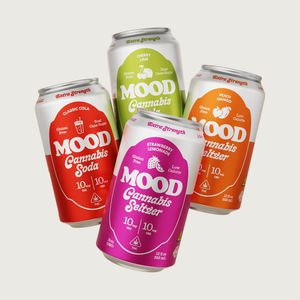
Drinks offer shorter duration (2-4 hours) with faster onset than traditional edibles. The liquid format processes through your digestive system more quickly than solid food.
Choose drinks when you want meaningful effects but don't need the full evening commitment.
Tinctures deliver precision control through dropper measurements. Hold liquid under your tongue for sublingual absorption, bypassing some liver metabolism.
Effects begin in 15-45 minutes and last 3-6 hours, creating a middle ground between edibles and vaping.
Purpose-specific ranges guide product selection without making medical claims. Social settings often benefit from 5-10mg, creating gentle enhancement without obvious impairment.
Deeper relaxation in the evening typically involves 10-15mg for most users.
Sleep Gummies combine THC with CBN for evening use. CBN complements THC's effects for those seeking to wind down before rest.
Morning Delta-9 THC Gummies blend THC with THCV for daytime use, creating energetic effects rather than sedation.
Converting From Delta-8 or Other Cannabinoids
Switching cannabinoids requires understanding relative potency to avoid over or under-shooting your comfortable range. Delta-8 THC delivers approximately 60% of Delta-9's strength, meaning you need more milligrams to achieve similar effects.
The conversion math works like this: 10mg Delta-9 equals roughly 17mg Delta-8 in terms of intensity. If you typically enjoy 15mg of Delta-9, reaching for a 15mg Delta-8 product will likely disappoint.
You need approximately 25mg of Delta-8 for equivalent effects.
Timing differences complicate direct comparisons. Delta-8 typically takes 10-20 minutes longer than Delta-9 to produce noticeable effects when consumed as edibles.
Where Delta-9 gummies might start working within 30-45 minutes, Delta-8 often requires 45-60 minutes minimum.
This delay tricks many users into taking additional servings too soon, leading to stronger effects than intended once everything kicks in. The same patience that applies to Delta-9 matters even more with Delta-8.
THCp requires much lower amounts due to significantly higher potency. Most users find 2-3mg of THCp produces effects similar to 10mg of Delta-9.
HHC falls somewhere between Delta-8 and Delta-9 in strength, though individual responses vary widely.
Managing Tolerance and Ensuring Consistency
Regular use leads to tolerance as your endocannabinoid system adapts to consistent THC exposure. You'll need higher amounts to achieve the same effects over time.
This pattern remains predictable and reversible.
Three to seven day breaks restore sensitivity for most users. Complete abstinence isn't necessary for tolerance resets—simply reducing frequency from daily to every few days makes a noticeable difference.
Some people implement structured schedules, using THC on weekends but abstaining weekdays.
The drug testing reality affects anyone subject to employment screening or legal monitoring. Any THC product triggers positive results for weeks regardless of legal status.
THC-COOH metabolites remain detectable in urine for 3-4 days with single use, 10-30 days with regular consumption.
Hair follicle tests can detect THC-COOH for up to 90 days. Legal source makes zero difference—employment drug tests cannot distinguish between hemp-derived and marijuana-derived compounds.
The test strips detect metabolites, not legal status.
Understanding detection windows helps you make informed decisions about timing consumption around testing requirements. There are no reliable shortcuts or detox methods that guarantee clean results—only time creates true clearance.
Legal THC Explained in Under Two Minutes
Mood offers millions of users hemp-derived THC, which is 100% legal and fully compliant cannabis.
You may have heard that the legality of hemp-derived THC is currently under attack, which could threaten the wellness of so many. Read here to learn how to join the fight , and help us keep hemp cannabis accessible to all for a long time to come.
Label reading requires understanding serving size versus total package content. A gummy containing 15mg Delta-9 THC represents one serving, while the package might contain 10 or 20 servings total.
Certificate of Analysis (COA) documents verify exact cannabinoid content and contamination screening.
Third-party lab testing screens for residual solvents, heavy metals, pesticides, and microbial contaminants. Look for COAs that show "ND" or "Not Detected" on residual solvents panels.
Heavy metals testing should cover lead, cadmium, mercury, and arsenic. Pesticide screening should include at least 60+ compounds.
Matching batch numbers between your product and test results confirms you're looking at the relevant COA. This verification matters because hemp batch variation remains higher than pharmaceutical-grade products.
Your Week One Action Plan
Transform information into action through three concrete steps this week. First, pick your starting amount from the weight and experience guidelines.
Choose conservatively—it's easier to increase than to endure an overwhelming experience.
Second, select your product format based on timing needs. Choose gummies for long, steady effects.
Pick drinks for shorter duration. Consider tinctures for precise control. Format determines experience length more than amount does.
Third, run your three-session calibration. Log your experiences with consistent timing and meal patterns.
Adjust by small increments between sessions. Confirm reproducibility before considering your optimal amount established.
Consistency in conditions creates accurate calibration. Take products at the same time of day with similar food intake.
Use a stable setting where you feel comfortable and safe. Variables beyond milligrams affect experiences more than most people realize.
Mood's range from micro to 30mg options provides the practical execution path for this protocol. Clearly labeled products with exact milligrams eliminate guesswork at every step.
Explore THCa pre-rolls and flower options when you're ready to experiment with inhalation methods.
Important Note: This content provides educational information about THC amounts, not medical advice. Everyone's response to cannabinoids varies based on individual biology, metabolism, and tolerance.
We cannot predict your specific reaction or optimal amount.
If you have health conditions or take medications, consult healthcare providers before using THC products. Mood provides lab-tested products with clear labeling but is not a medical authority.
Effects described represent common experiences, not guarantees of your individual results.
This information aims to help you make informed decisions about THC consumption. Start conservatively, adjust gradually, and prioritize your comfort and safety throughout the calibration process.