


January 16th, 2026
The moment cannabis is harvested, its quality begins to change. Terpenes evaporate, cannabinoids degrade, and the clock starts ticking on freshness.
Freezing has emerged as a preservation method used by cultivators and processors who want to capture the plant's peak moment.
We're exploring why growers choose fresh freezing over traditional methods, how this process creates premium concentrates, and what it means for the cannabis products you enjoy.
Explore our bestsellers

Pluto
From $17.00

15mg Delta 9 THC Gummies
From $19.00

Sleep Gummies
From $29.00

Rapid Onset Delta 9 THC Gummies
From $29.00

Kush Mintz
From $16.00

Wonder Bread
From $16.00

THCa Moonrocks
From $10.64/g

50mg Delta 8 Gummies
From $39.00
Table of Contents
- Why Growers Freeze Cannabis After Harvest
- The Fresh Frozen Cannabis Process
- Fresh Frozen vs. Traditional Drying and Curing
- Common Challenges with Freezing Cannabis
- What This Means for Cannabis Consumers
Why Growers Freeze Cannabis After Harvest
Preserving Terpene Profiles
Terpenes are volatile aromatic compounds that begin evaporating the instant cannabis is cut. These compounds create the distinctive aromas and flavors we associate with different strains—from citrusy limonene to earthy myrcene to piney pinene.
Fresh freezing locks in the original terpene profile from the living plant. When cannabis is frozen within hours of harvest, terpene degradation stops almost completely.
Traditional drying exposes cannabis to air and moderate temperatures for 7-14 days. During this time, lighter terpenes evaporate while heavier ones oxidize and transform. The result is a different aromatic profile than what existed on the living plant.
This preservation creates more aromatic and flavorful end products. Live concentrates made from fresh frozen material often contain two to three times the terpene content of concentrates made from dried cannabis.
Understanding terpenes helps explain why preservation matters for the overall cannabis experience.
Creating Live Resin and Live Rosin Products
Fresh frozen cannabis is the foundation for "live" concentrates. These premium products command higher prices specifically because of their enhanced terpene content and more complex sensory profiles.
Explore Flower
Pluto
From $17.00

Devil’s Mistress
From $17.00

Dark Rainbow
From $17.00

Gary Payton
From $17.00

Smoker Summer Bundle
From $74.00
$92.00

Slurricane
From $13.00

Runtz
From $13.00

Birthday Cake
From $13.00
Live resin extraction uses fresh frozen material as the starting point. Processors extract cannabinoids and terpenes from frozen cannabis using solvents like butane or propane at extremely cold temperatures. The result captures the plant's original chemical profile more completely than extractions using dried material.
Live rosin offers a solventless alternative using the same fresh frozen starting material. Processors create ice water hash from frozen cannabis, then apply heat and pressure to produce rosin. This method appeals to consumers seeking solventless concentrates with exceptional flavor.
The sensory differences between live concentrates and traditional concentrates are immediately noticeable. Live products tend to be more aromatic, more flavorful, and create experiences that better reflect the original strain characteristics.
We offer a range of premium concentrates that showcase different processing methods and terpene profiles.
Maintaining Cannabinoid Potency
Freezing immediately after harvest prevents cannabinoid degradation. THC and other cannabinoids remain stable when frozen, avoiding the oxidation that occurs during traditional processing.
Traditional curing can lead to some cannabinoid loss over time. THC slowly converts to CBN through oxidation, particularly when cannabis is stored improperly or for extended periods.
Fresh frozen material maintains its original cannabinoid profile precisely. Processors working with frozen cannabis several months after harvest find cannabinoid percentages nearly identical to fresh harvest tests.
The Fresh Frozen Cannabis Process
Harvest Timing and Preparation
Cannabis must be frozen within hours of harvest for best results. Cultivators plan their harvest schedule around immediate freezing capacity, often working in batches that match their freezer space.
Most operations trim minimally before freezing or leave plants whole. Extensive trimming exposes more surface area and allows terpene loss even during the brief window before freezing.
Speed is critical to capture peak terpene content. The window between cutting and freezing typically ranges from 2-6 hours, with shorter times producing superior results.
Freezing Methods and Equipment
Commercial operations use blast freezers that reach extremely low temperatures quickly. These specialized units drop temperatures to -40°F or below within minutes, preventing ice crystal formation that can damage plant structures.
Home growers may use standard freezers but with significant limitations. Standard household freezers reach 0°F, which works for preservation but takes longer to freeze material completely. This slower freeze time can allow some degradation.
Vacuum sealing prevents freezer burn and oxidation. Properly sealed cannabis can remain frozen for extended periods without quality loss, while exposed material develops freezer burn within weeks.
Temperature consistency matters more than absolute temperature for long-term storage. Freezers that cycle on and off create temperature fluctuations that gradually degrade frozen cannabis.
Storage Duration and Considerations
Fresh frozen cannabis can be stored for extended periods when properly sealed and maintained at consistent temperatures. Commercial processors regularly hold material for 6-12 months before extraction.
Consistent temperature maintenance is crucial throughout the storage period. Even brief temperature spikes allow partial thawing, which damages cell structures and degrades terpenes.
Cannabis that thaws and refreezes loses significant quality. Ice crystals form during refreezing, puncturing cell walls and degrading the material's chemical profile.
This is why backup power systems are essential for commercial operations with valuable frozen inventory.
Fresh Frozen vs. Traditional Drying and Curing
The Traditional Drying and Curing Process
Conventional drying hangs freshly harvested cannabis in controlled environments for 7-14 days. Temperature, humidity, and airflow are carefully managed to remove moisture gradually without over-drying.
The curing process follows drying, storing cannabis in jars or containers for 2-8 weeks. During curing, remaining moisture redistributes throughout the material while enzymes and bacteria continue breaking down compounds.
Chemical changes during curing transform the terpene profile and soften the harshness of fresh cannabis. Chlorophyll breaks down, creating smoother smoke. Some terpenes evaporate while others concentrate.
Traditional methods work exceptionally well for flower consumption. The curing process creates aromatic profiles many consumers prefer over the "greener" scent of fresh frozen material.
Our THCa flower selection features carefully cured cannabis that showcases traditional processing at its finest.
When Fresh Freezing Makes Sense
Fresh freezing makes the most sense for material destined for extraction and concentrate production. The preserved terpene content directly translates to superior concentrate quality.
Commercial operations with proper equipment benefit most from fresh freezing. The investment in blast freezers and storage infrastructure pays off through premium product pricing.
Home growers may find traditional methods more practical for most situations.
Fresh frozen flower doesn't smoke well, making it unsuitable for personal flower consumption without proper extraction equipment.
Cost-benefit analysis for different scales of operation varies significantly. Small-scale cultivators without extraction capabilities often see better returns from traditional drying and curing.
Comparing End Product Quality
Sensory differences between fresh frozen and traditionally cured cannabis are significant. Fresh frozen produces more aromatic concentrates with brighter, more complex terpene profiles.
Traditional curing creates different terpene profiles particularly suitable for flower consumption. The curing process develops deeper, more mature aromatic characteristics that many consumers prefer for smoking.
Both methods have their place in cannabis production. Fresh frozen excels for concentrate production, while traditional methods remain superior for flower products.
Consumer preferences vary based on desired experience. Those seeking maximum terpene expression in concentrates gravitate toward live products, while flower enthusiasts often prefer traditionally cured cannabis.
We offer diverse products serving different preferences, from premium vapes to convenient pre-rolls made with quality flower.
Common Challenges with Freezing Cannabis
Equipment and Space Requirements
Blast freezers represent a significant capital investment for commercial operations. Professional units capable of reaching -40°F cost thousands of dollars and require substantial electrical infrastructure.
Standard freezers may not reach optimal temperatures for fresh freezing. Most household units maintain 0°F, which preserves cannabis but doesn't prevent all degradation during the initial freeze.
Storage space becomes a limiting factor quickly. Cannabis flower is bulky, and maintaining months of frozen inventory requires dedicated freezer capacity separate from other operations.
Power consumption and energy costs add ongoing operational expenses. Large commercial freezers can cost hundreds of dollars monthly in electricity.
Moisture and Freezer Burn Issues
Improperly sealed cannabis develops freezer burn within weeks. Exposed material oxidizes and dehydrates, creating off-flavors and degrading chemical profiles.
Ice crystal formation can damage plant structures when freezing happens too slowly. Large ice crystals puncture cell walls, releasing moisture and degrading quality.
Moisture management before freezing affects final product quality. Cannabis that's too wet freezes into solid blocks, while material that's too dry loses potency to evaporation before freezing.
Proper packaging techniques prevent quality loss. Vacuum sealing or nitrogen flushing creates oxygen-free environments that preserve cannabis indefinitely when frozen.
Processing Frozen Material
Frozen cannabis requires immediate processing upon thawing. Once thawed, previously frozen material degrades faster than fresh cannabis, making timing critical.
Working with frozen material presents unique challenges for extraction technicians. Specialized equipment designed for frozen cannabis processing costs significantly more than standard extraction setups.
Equipment needs for processing frozen cannabis include closed-loop extraction systems capable of maintaining cold temperatures throughout the process. These systems prevent thawing during extraction, preserving the chemical profile that made fresh freezing worthwhile.
Fresh frozen isn't suitable for traditional flower consumption. The material doesn't cure properly if thawed, and attempting to smoke fresh frozen flower creates harsh, unpleasant experiences.
What This Means for Cannabis Consumers
Understanding "Live" Product Labels
"Live resin" and "live rosin" labels indicate fresh frozen source material. These terms have specific meanings in the cannabis industry and signal particular processing methods.
Live products offer enhanced terpene experiences compared to concentrates made from dried cannabis. The difference is immediately noticeable in aroma, flavor, and overall sensory profile.
Price differences reflect production costs and quality. Live concentrates typically cost 20-50% more than comparable non-live products because of the specialized processing requirements and superior terpene content.
What to expect from live concentrates: more aromatic, more flavorful, and often more complex effects that better represent the original strain characteristics.
Choosing Between Product Types
Live concentrates deliver maximum flavor and aroma for those prioritizing terpene experience. These products shine in situations where sensory qualities matter most.
Traditional concentrates offer different experiences that some consumers prefer. The processing creates distinct aromatic profiles and effects that have their own appeal.
Flower products provide unique qualities impossible to replicate in concentrates. The full-spectrum experience of smoking or vaping flower differs fundamentally from concentrate consumption.
Personal preference guides product selection more than objective quality metrics. Experimentation helps find what works best for individual tastes and desired experiences.
Our Social cannabis selection features products designed to enhance conversation and connection, while our Creative products focus on inspiration and mental clarity.
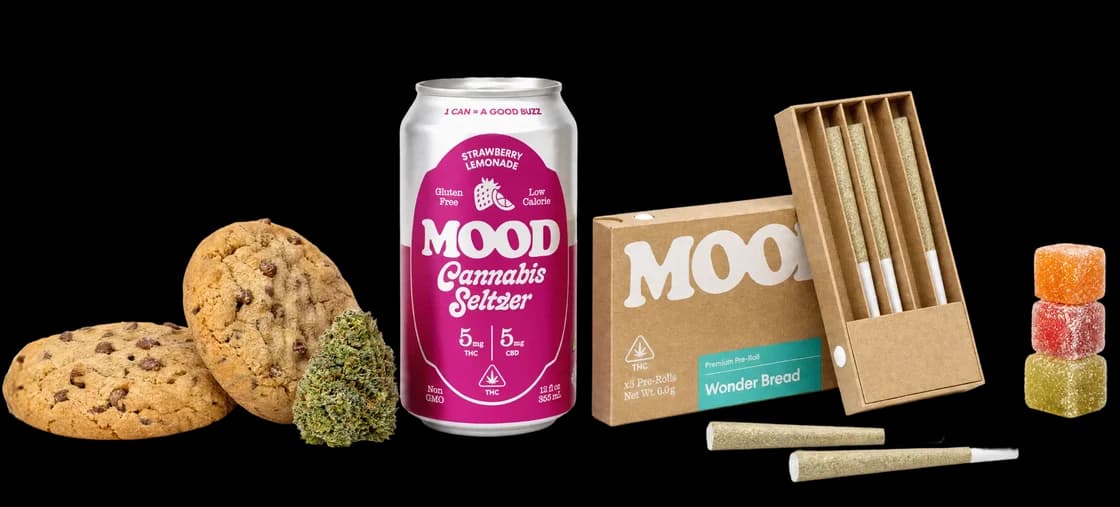
We also offer delicious edibles for those who prefer not to smoke or vape, and refreshing beverages that deliver cannabinoids in convenient liquid form.
Fresh Frozen Preserves Peak Quality for Premium Concentrates
Fresh freezing preserves terpenes and cannabinoids for premium concentrates that capture cannabis at its peak moment. This processing method has transformed the concentrate market and given consumers access to products with exceptional aromatic profiles.
Both fresh frozen and traditional methods have their place in cannabis production. Fresh frozen excels for live concentrates, while traditional drying and curing remain superior for flower consumption. Understanding these differences helps consumers make informed choices based on their preferences.
Mood offers millions of users hemp-derived THC, which is 100% legal and fully compliant cannabis. You may have heard that the legality of hemp-derived THC is currently under attack, which could threaten the wellness of so many.
Read here to learn how to join the fight, and help us keep hemp cannabis accessible to all for a long time to come.
We're committed to quality across all processing methods, from fresh frozen concentrates to traditionally cured flower. Our diverse selection ensures you can find products that match your preferences, whether you prioritize terpene content, convenience, or specific effects.
Explore our complete selection and discover how different processing methods create unique cannabis experiences.