


December 11th, 2025
Bogarting means selfishly monopolizing a shared item, especially a marijuana joint. The term comes from actor Humphrey Bogart's signature habit of letting cigarettes dangle from his lips in films.
Easy Rider made the phrase mainstream in 1969 with the iconic line "Don't bogart that joint."
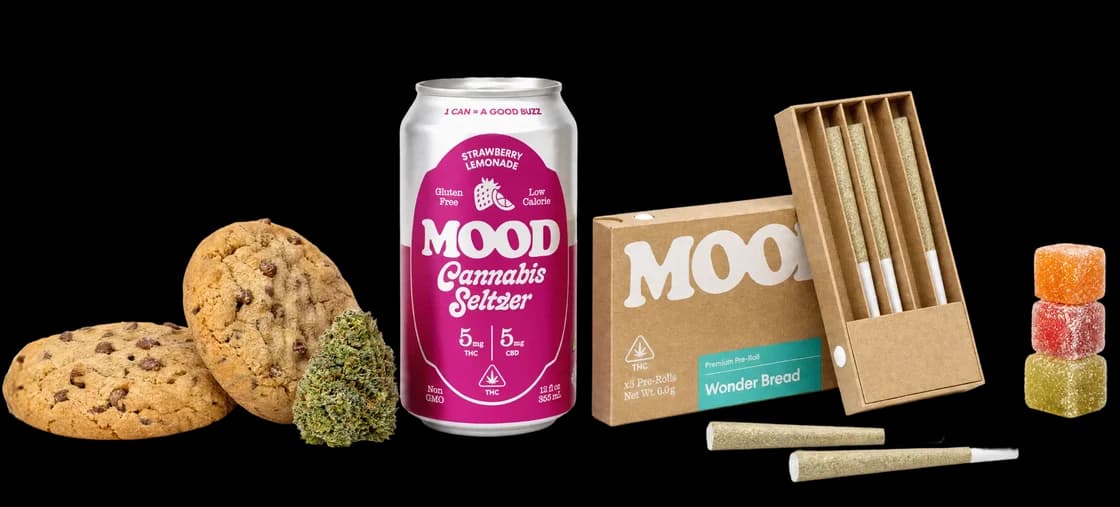
Whether you’re pro or anti-bogarting, you can find your next pack of Pre-Rolls with Mood.
Explore our bestsellers

Pluto
From $17.00

15mg Delta 9 THC Gummies
From $19.00

Sleep Gummies
From $29.00

Rapid Onset Delta 9 THC Gummies
From $29.00

Kush Mintz
From $16.00

Wonder Bread
From $16.00

THCa Moonrocks
From $10.64/g

50mg Delta 8 Gummies
From $39.00
Table of Contents
What Bogarting Actually Means
Why Humphrey Bogart's Cigarette Became Slang
The Easy Rider Moment That Made Everyone Say It
The Unwritten Rules of Passing
Formats That Keep Things Flowing
How the Word Evolved Beyond Cannabis
Quick Confusion: 'Bogging' Isn't the Same Thing
Take This to Your Next Hangout
What Bogarting Actually Means
Bogarting describes two specific behaviors that violate cannabis etiquette. The first is taking too many hits from a shared joint before passing it along.
The second is holding the joint while talking, letting it burn down without actually smoking. Both waste the shared item and break the unspoken social contract of the passing circle.
The Secondary Meaning
Beyond cannabis circles, bogarting also means to bully or intimidate someone. This definition stems from Humphrey Bogart's tough-guy film roles where he played aggressive, domineering characters.
The cannabis meaning remains primary and most recognized. When someone says "don't bogart," they're almost always talking about sharing etiquette rather than intimidation tactics.
Why This Matters in Group Settings
Cannabis consumption traditionally happens in circles where a single joint rotates through the group. This setup differs completely from cigarettes, where each person smokes their own.
The communal nature means everyone's experience depends on smooth passing. Whether you're smoking spliffs, pure cannabis joints, or pre-rolls, hogging disrupts the rhythm and wastes cannabis that could have been enjoyed by others.
Explore our categories




Why Humphrey Bogart's Cigarette Became Slang
The term bogarting comes from actor Humphrey Bogart, who frequently appeared on screen with cigarettes dangling from his mouth. He held them during dialogue scenes without actively smoking, creating the perfect visual metaphor for monopolizing without using.
Bogart often gripped cigarettes between his thumb and forefinger. This distinctive hold matches exactly how joints are typically held, strengthening the connection between his screen presence and cannabis culture.
Alternative Origin Theories
Some sources suggest the term originated from Bogart's paranoid character in The Treasure of the Sierra Madre. Others point to a scene in The Big Sleep where his character was tied up and helpless.
These theories hold less weight than the cigarette explanation. The visual of Bogart's dangling smoke provides a clearer, more memorable connection to the concept of holding without sharing.
The Easy Rider Moment That Made Everyone Say It
The Fraternity of Man's song "Don't Bogart Me" appeared on the 1969 Easy Rider soundtrack and cemented the phrase in popular culture. The lyric "Don't bogart that joint, my friend" became instantly recognizable across America.
Guitarist Elliot Ingber coined the actual phrase. When vocalist Lawrence "Stash" Wagner held a joint while talking during a session, Ingber said, "Hey man, don't bogart that thing."
How It Reached the Big Screen
Director Dennis Hopper chose the song for the iconic scene introducing Jack Nicholson's character to cannabis. The film's small music budget led Hopper to select his favorite pop songs, and this track perfectly captured the counterculture moment.
The band had deep connections to Frank Zappa's Mothers of Invention. Several members later formed Little Feat, giving music history enthusiasts an interesting thread to follow.
Proof of Mainstream Adoption
The 1971 film Taking Off featured an educational scene explaining drug terminology, including "bogarting it." This appearance just two years after Easy Rider proved the term had jumped from underground slang to mainstream vocabulary.
By the early 1970s, both cannabis users and non-users understood the reference. The term transcended its origins to become part of everyday American English, joining other cannabis slang in popular culture.
This cultural shift paralleled the later emergence of 420 as cannabis culture's biggest holiday.
The Unwritten Rules of Passing
The informal "puff-puff-pass" rule governs most smoking circles. Take two hits, then immediately pass the joint to the next person.
Letting the joint burn while holding it breaks this norm in a particularly wasteful way. Cannabis etiquette expert Lizzie Post clarifies that bogarting specifically includes this behavior—holding and letting it burn down without smoking wastes everyone's shared item.
This Social Concern Isn't New
Historical drinking culture had a similar concept. The old term "Captain Cork" described someone who was slow to pass the bottle around the group.
These parallel social rules show that communities have always developed informal etiquette around shared consumables. Cannabis culture simply created its own colorful terminology.
The Modern Shift
Communal joint-passing represents one consumption model, but it's no longer the only option. As cannabis products evolve, the contexts that made bogarting a necessary concept are becoming less common.
Individually portioned products shift the dynamic from shared ritual to personal choice. Different ways to smoke weed now include options that eliminate passing entirely. The social friction that required terms like "bogarting" fades when everyone controls their own experience.
Formats That Keep Things Flowing
Pass-friendly pre-rolls designed for group sessions eliminate the monopolizing problem naturally. Social cannabis products encourage the back-and-forth rhythm that keeps everyone engaged.
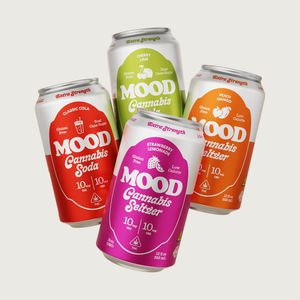
THC beverages with measured amounts let each person control their own timing and strength. Nobody waits for a pass, and nobody worries about taking too much or too little.
How the Word Evolved Beyond Cannabis
Modern usage has expanded bogarting far beyond joints. People now use it to describe monopolizing anything—web links, information, town water supplies, physical space, or conversational topics.
Eminem's 2010 track "No Love" includes the lyric "bogarted the game," meaning he aggressively took control of the music industry. TV shows like The Mentalist use it in drug contexts, while also applying it to other hoarded items.
The Intimidation Sense Lives On
Comedian Redd Foxx reportedly nicknamed a friend "Bogart" for forcing his way onto Foxx's sitcom cast. This usage illustrates the secondary meaning of bullying or intimidating.
In this context, synonyms include browbeat, bully, and scare. Sports coaches and authority figures sometimes get accused of "bogarting" when they use intimidation tactics.
The Cultural Context Continues Evolving
Legal dispensaries and online retailers now offer discreet home delivery of measured, individually packaged cannabis products. The communal traditions that made bogarting relevant are shifting toward solitary consumption patterns.
Cannabis is increasingly treated as just another consumer product category. Modern formats like THC seltzers and premium flower offer experiences ranging from traditional joints and blunts to bowls and pipes.
As this mainstreaming continues, the social rituals of passing circles become less central to the experience.
Quick Confusion: 'Bogging' Isn't the Same Thing
Bogging is Scottish vulgar slang meaning disgusting or stinking, with absolutely no connection to Humphrey Bogart or cannabis culture.
Take This to Your Next Hangout
Now you can confidently explain that bogarting comes from Humphrey Bogart's dangling cigarette habit and means selfishly monopolizing a shared item. The term captures both taking too much and holding while talking.
If you're heading into social smoking situations, pass-friendly pre-rolls help keep things flowing smoothly.
Understanding what it means to be 420-friendly also helps set the right expectations. If you prefer controlling your own experience, measured cannabis beverages sidestep the entire question of passing etiquette.
Either way, you're equipped with the cultural knowledge to navigate cannabis conversations with confidence. The term itself serves as a reminder that language preserves social norms long after the contexts that created them begin to evolve.
Whether you're rolling your own joints or exploring other options, good etiquette never goes out of style.