

December 1st, 2025
You need to know which number on that label tells you actual strength and how to compare products across different formats.
We're giving you the tools to read any THC label in 60 seconds, understand what you're buying, and verify the product matches what's promised.
The hemp math confuses everyone at first. That jar showing 0.2% Delta-9 and 24% THCa looks weak until you understand the numbers. That legal 15mg gummy seems impossible when you know the 0.3% federal limit.
Once you grasp that labels show different measurements for different purposes, everything clicks into place.
Explore our bestsellers

Pluto
From $17.00

15mg Delta 9 THC Gummies
From $19.00

Sleep Gummies
From $29.00

Rapid Onset Delta 9 THC Gummies
From $29.00

Kush Mintz
From $16.00

Wonder Bread
From $16.00

THCa Moonrocks
From $10.64/g

50mg Delta 8 Gummies
From $39.00
Table of Contents
What to Look for on Any THC Label
Understanding Total THC and Why It Matters
How Hemp Products Stay Legal While Delivering Real THC
Reading Edible and Drink Labels for Strength and Timing
What Vape and Concentrate Percentages Actually Mean
Decoding THCa Flower Labels
CBD Ratios, TAC, and Reading the Full Cannabinoid Profile
Verifying Lab Results in 60 Seconds
Product Types, Strains, and Potency Ranges
Terpenes on Labels
State Availability and Drug Testing Realities
Reading THC Labels With Confidence
What to Look for on Any THC Label
Different product formats measure THC in different ways, and knowing which number matters for your product type eliminates confusion immediately. Flower products show THC as percentages of the dried plant material.
Concentrates typically display either milligrams per gram (mg/g) or percentages.
Edibles and drinks list THC in milligrams per serving and total milligrams per package.
Total THC becomes your universal comparison tool across all these formats. This single measurement accounts for both active Delta-9 THC and THCa, which becomes more potent when heated, giving you the real strength regardless of product type.
Every legitimate THC product should link to a Certificate of Analysis (COA) from a third-party lab.
We'll show you exactly how to verify these in under a minute, but first you need to understand what the numbers on labels actually mean. The verification process protects you from mislabeled products and confirms you're getting what you paid for.
Understanding Total THC and Why It Matters
Total THC equals Delta-9 THC percentage plus THCa percentage multiplied by 0.877. That formula accounts for the weight change when heating transforms THCa into active THC.
The 0.877 factor represents how much of the original THCa molecule remains after the heating process—the molecule loses some weight as it becomes more potent.
When you look at flower labels, focus on Total THC rather than just the Delta-9 number. Raw flower contains mostly THCa, which is non-intoxicating until you apply heat through smoking or vaping. The Delta-9 percentage alone tells you almost nothing about the actual strength you'll experience.
Here's how the math works in practice. A jar showing 18% THCa and 2% Delta-9 THC gives you this calculation: 2% + (18% × 0.877) = 17.8% Total THC. That's the strength you can expect once you light up or vape the product.
The heating process makes the THCa more powerful, transforming it into the familiar effects you're looking for.
Understanding this conversion explains why THCa flower can show tiny Delta-9 percentages while delivering strong experiences. The label isn't lying—it's showing you the pre-heat measurement. Total THC reveals what happens after you use the product as intended.
Our THC vs THCa percentage guide breaks down the full conversion process with additional examples.
Explore our categories




How Hemp Products Stay Legal While Delivering Real THC
The compliance paradox confuses nearly everyone who encounters hemp-derived THC products.
Delta-9 percentage by dry weight determines federal legality, while milligrams per serving determines your actual experience. These are two completely different measurements of the same product, and both numbers matter for different reasons.
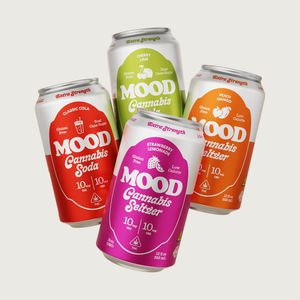
Mood offers millions of users hemp-derived THC, which is 100% legal and fully compliant cannabis.
You may have heard that the legality of hemp-derived THC is currently under attack, which could threaten the wellness of so many. Read here to learn how to join the fight, and help us keep hemp cannabis accessible to all for a long time to come.
Take our 15mg Delta-9 THC gummies as the perfect example. Each gummy weighs 5.5 grams total and contains 15mg of Delta-9 THC.
When you do the math—15mg divided by 5,500mg total weight—you get 0.27% Delta-9 by weight. That's under the legal limit, which makes the product fully compliant, while still delivering the full 15mg experience you're looking for.
The THC molecule itself is chemically identical whether it comes from hemp or marijuana. Your body cannot distinguish between the two sources.
The only difference is the legal classification based on that percentage-by-weight measurement. This explains how products can be both genuinely potent and legally compliant at the same time.
Hemp-derived products work identically to dispensary cannabis.
The effects, duration, and experience match what you'd get from traditional sources. Our legal THC products guide explains the weight math in additional detail and helps you understand what you're actually getting.
Reading Edible and Drink Labels for Strength and Timing
Edible and drink labels require you to find two distinct numbers: milligrams per serving and total milligrams per package.
Both matter because serving size determines your experience, while package total affects how many sessions you get from one purchase. A package containing 150mg total THC with 15mg servings gives you 10 servings to work with.
Start with 2.5mg to 5mg if you're new to edibles, based on Canadian government research into first-time user experiences. Wait at least two hours before considering more.
Your metabolism, what you've eaten that day, and your individual body chemistry all influence onset time and intensity.
Products labeled "rapid onset" or "fast-acting" use specialized formulations that may reduce onset time to around 15 minutes for some users.
That "may" matters—these products work faster for many people, but 30 to 60 minutes remains common even with enhanced formulations. The fast-acting label describes the technology used, not a guaranteed timeline for every person.
Our Hero Dose Rapid Onset THC Gummies demonstrate clear labeling practices.
Each package shows the exact THC amount per gummy, notes the rapid-onset formulation, and provides conservative starting guidance. The label makes it easy to understand exactly what you're taking before you take it.
Timing varies significantly between standard and rapid-onset products. Standard edibles typically begin working within 30 to 90 minutes, peak around 2 to 3 hours, and last 4 to 8 hours total.
Rapid-onset products may start faster but don't fundamentally change the total duration—you're shifting when the experience begins, not how long it lasts.
The milligram amount determines intensity, not onset speed.
A 15mg rapid-onset gummy delivers the same total THC as a 15mg standard gummy. The formulation affects when you feel it, allowing you to time your experience more precisely around activities or schedules.
Our gummies collection shows clear labeling across all potency levels.

What Vape and Concentrate Percentages Actually Mean
An 80% THC vape cartridge means 80% of that oil's total weight is THC, typically translating to about 800mg in a standard 1-gram cartridge. This percentage shows the concentration of THC in the product, not how much you consume per puff or session.
Your actual intake per use depends on how long you inhale, how deeply, and your device's power settings.
Concentrates typically range from 65% to 85% THC, while vape cartridges usually fall between 70% and 90% THC. These ranges represent quality products with proper extraction and formulation.
Percentages significantly above or below these bands suggest either exceptional production (rare) or questionable testing (common).
Start with one to two puffs from any new vape product, then wait 5 to 10 minutes before deciding whether you want more. The effects from vaping appear within minutes, making it easy to overdo it if you don't pace yourself. Chasing immediate intensity often leads to taking more than you intended.
Our vape products include specific starting guidance on each product page. The labels clearly state THC percentages, recommend initial serving sizes, and explain onset timing.
This transparency helps you approach new products with appropriate caution rather than guesswork.
Concentrate labels work similarly to vape percentages.
A live rosin showing 75% THC contains 750mg per gram of product. When you dab or vaporize concentrates, you're consuming much higher THC amounts per session compared to flower, which makes starting small even more important.
Decoding THCa Flower Labels
THCa is non-intoxicating in its raw form. This single fact explains the entire labeling situation with hemp flower. When you apply heat above 230°F through smoking or vaping, THCa becomes more potent and transforms into the active THC that creates familiar effects.
Without heat, it remains inactive.
That common jar showing 0.2% Delta-9 THC and 24% THCa will deliver roughly the same experience as flower labeled around 21% Total THC once you smoke or vape it. The tiny Delta-9 percentage represents only what's naturally present before heating. The THCa percentage tells you the real potency after you use the product as intended.
We clearly label all our THCa flower products with both pre-heat THCa content and expected Total THC levels. This dual labeling eliminates guessing.
You can see exactly what's in the raw flower and what strength to expect after lighting up. No calculations required on your end.
The heating process triggers a chemical transformation that makes THCa more powerful. Smoking, vaping, or other heating methods all cause this change.
The speed and temperature of heating affect how much THCa transforms, but any combustion or vaporization converts the vast majority into active THC.
Compare THCa flower labels by looking at the Total THC calculation rather than focusing solely on either the THCa or Delta-9 numbers in isolation. Two products might show different individual percentages but deliver similar experiences once you account for the conversion.
The Total THC measurement standardizes comparisons across different testing approaches. Our What Is THCa guide provides additional context on how this works.
CBD Ratios, TAC, and Reading the Full Cannabinoid Profile
Ratio labels like 1:1 or 2:1 describe the balance between THC and CBD in a product. A 1:1 ratio means equal amounts of each cannabinoid, while 2:1 indicates twice as much THC as CBD.
Many people find balanced ratios with CBD create gentler experiences compared to THC-only products.
TAC stands for Total Active Cannabinoids, which represents the sum of all detectable cannabinoids in a product. This includes THC, CBD, CBG, CBN, and any other cannabinoids present in measurable amounts. TAC gives you a sense of the product's overall cannabinoid density beyond just the THC content.
Our multi-cannabinoid formulas combine Delta-8 THC, Delta-9 THC, and THCp in specific blends designed to create particular effects profiles. The Hero Dose gummies , for example, blend different THC types for a balanced experience. COAs break down each cannabinoid separately so you can see exactly what's in the formulation.
Full cannabinoid profiles also show compounds like CBDA and CBGA, which are the acidic precursors to CBD and CBG respectively. These mirror the THCa to THC relationship—heat makes them more potent and transforms them into their active forms.
Products with diverse cannabinoid profiles offer what many describe as fuller, more nuanced experiences.
Verifying Lab Results in 60 Seconds
Every legitimate THC product should link to a Certificate of Analysis from a third-party lab.
Learning to verify these quickly protects you from mislabeled or contaminated products. Here's the phone-friendly workflow that anyone can follow.
Step 1: Scan the QR Code (15 Seconds)
Most legitimate products include a QR code linking directly to lab results. Scan it with your phone's camera.
No QR code visible on the packaging or product page represents your first red flag that something might not be right.
Step 2: Match Batch Numbers
The batch number printed on the COA must match the batch number on your product packaging. Different numbers mean you're looking at test results from a completely different batch.
Companies sometimes recycle old COAs for new products, and matching batch numbers prevents this deception.
Step 3: Verify ISO 17025 Accreditation
Look for "ISO/IEC 17025" on the report header. This certification means the lab follows strict quality standards and undergoes independent audits. Unknown labs or missing accreditation information should make you pause before purchasing.
Step 4: Check THC Levels
THC potency should match what's claimed on the label within a reasonable margin. Flower typically ranges from 15% to 30% Total THC, concentrates from 65% to 85%, and vapes from 70% to 90%.
Numbers far outside these ranges suggest either exceptional products (rare) or questionable testing (common).
Step 5: Review Safety Testing Panels
Residual solvents, heavy metals, and microbial contamination should all show "pass" results. These tests protect you from genuinely harmful substances.
The residual solvents panel becomes especially critical for Delta-8 and converted cannabinoids, which require chemical processing.
Hemp testing protocols vary considerably between laboratories, and COAs represent batch snapshots from the time of manufacture. Natural cannabinoid content can shift slightly over time due to storage conditions and age.
A COA from six months ago might not perfectly represent the current product, though reputable companies test regularly and update results.
We work with ACS Laboratory, which has earned the most Emerald Test Badge awards nationwide for cannabis and hemp testing. You can find the COA for any product halfway down the product page under Product Details and Dosage. We place batch-specific testing results where you can easily verify them before purchase.
Our third-party testing guide explains our full COA process in detail.
This verification workflow works for any THC product from any company, not just ours. The same steps protect you whether you're shopping online or in a physical store. Taking 60 seconds to verify lab results gives you confidence that the product matches its claims and meets safety standards.
Product Types, Strains, and Potency Ranges
Flower typically ranges from 15% to 25% Total THC when properly measured and dried. Concentrates span 65% to 85% THC depending on extraction method and starting material quality.
Vape cartridges usually contain 70% to 90% THC. These ranges help you calibrate expectations when comparing products.
Infused pre-rolls test higher than regular flower because they contain added concentrate, kief, or distillate.
A standard pre-roll might show 20% Total THC, while an infused version of the same strain could reach 35% or higher. The added concentrates boost potency beyond what the flower alone provides.
Strain names and indica/sativa classifications represent producer information rather than standardized effect predictions. Two different growers producing the same named strain might create products with different terpene profiles and effects.
The genetic lineage matters less than the actual chemical composition shown on the COA.
We organize products by the mood they create rather than relying solely on indica/sativa categories, because the actual cannabinoid and terpene profiles predict effects more accurately than traditional classifications.
Browse our products organized by how they make you feel at mood.com .
Terpenes on Labels
Terpenes are aromatic compounds that influence flavor and may contribute to the overall experience.
Myrcene creates earthy notes, limonene brings citrus flavors, pinene delivers pine scents, and caryophyllene adds peppery spice. These compounds appear naturally in the plant and survive into the final product in varying concentrations.
Quality COAs include terpene profiles showing which compounds appear and in what percentages.
This information helps you predict flavor and potentially anticipate certain qualities of the experience, though terpene science remains an evolving field. You don't need to understand terpenes to use THC products effectively—they represent bonus information for curious users who want deeper insights.
State Availability and Drug Testing Realities
State availability varies by product type and local regulations. We clearly list which states can receive each specific product on the product pages. Some states allow certain hemp-derived products while restricting others.
These laws change periodically, and we update our shipping policies to remain compliant.
Hemp-derived THC shows identically on drug tests compared to marijuana-derived THC. Standard immunoassay tests detect THC metabolites regardless of the source. Your body processes hemp THC and marijuana THC through the same metabolic pathways, creating the same detectable compounds in your system.
Detection windows depend on usage frequency and individual metabolism.
Single use typically remains detectable in urine tests for 3 to 4 days. Regular consumption extends detection to 10 to 30 days depending on how often you use products and your personal metabolic rate. Body composition, hydration levels, and metabolic speed all influence these timelines.
Legal doesn't mean undetectable. This distinction matters for anyone facing employment screening or other testing requirements. If drug testing concerns you, hemp-derived THC products carry the same detection risk as traditional cannabis despite their legal status.
Our drug testing guide covers detection windows and what to expect from different test types.
Reading THC Labels With Confidence
You now know which numbers matter based on product format. For flower, focus on Total THC rather than just Delta-9 percentages. For edibles, find milligrams per serving and wait appropriate times between servings. For vapes and concentrates, understand that percentages show concentration, not per-use amounts. For hemp products, recognize that Delta-9 percentage by weight determines legality while total milligrams determine experience.
The 60-second COA verification process gives you tools to independently assess any THC product.
Scan the QR code, match batch numbers, verify lab accreditation, check THC levels against expected ranges, and review safety panels. These five steps protect you from mislabeled or contaminated products regardless of brand or source.
Our product pages provide practice ground for these skills. Every product links to its COA under Product Details and Dosage.
The testing results show exactly what we've described in this guide—cannabinoid breakdowns, safety testing, and lab credentials. You can verify everything we've explained using real product pages and actual lab reports.
Label literacy builds confidence in your purchasing decisions. You're no longer guessing about strength, wondering about safety, or confused by hemp compliance math. These skills transfer to any THC product you encounter, giving you the knowledge to make informed choices that match your needs and preferences.