


January 16th, 2026
A color remediation column is a secondary filtration cartridge used in cannabis extraction to remove pigments and impurities.
This stainless steel cylinder, packed with adsorbent media, sits between the extraction column and collection container in closed-loop systems. As crude extract passes through, the media traps chlorophyll, lipids, and other compounds, creating lighter-colored concentrates.
You've probably noticed that lighter concentrates often command premium prices.
The assumption makes sense at first glance—cleaner appearance suggests higher purity. But here's what the concentrate industry doesn't always make clear: color tells you almost nothing about quality, potency, or safety.
We're breaking down exactly what color remediation columns do, why lighter doesn't automatically mean better, and how to actually verify concentrate quality when brands won't disclose their processing methods.
Explore our bestsellers

Pluto
From $17.00

15mg Delta 9 THC Gummies
From $19.00

Sleep Gummies
From $29.00

Rapid Onset Delta 9 THC Gummies
From $29.00

Kush Mintz
From $16.00

Wonder Bread
From $16.00

THCa Moonrocks
From $10.64/g

50mg Delta 8 Gummies
From $39.00
Table of Contents
- What a Color Remediation Column Actually Does
- Why Lighter Concentrates Are Not Always Better
- The Real Risks in CRC Processing
- What Third-Party Lab Testing Catches
- How To Buy Concentrates When CRC Use Is Not Disclosed
- A Quick Technical Guide For Extraction Operators
- Why CRC Rarely Appears On Product Labels
- Making Confident Choices About Cannabis Concentrates
What a Color Remediation Column Actually Does
CRC technology functions as post-extraction purification, not as an extraction method itself. Think of it as a filter that crude cannabis extract passes through after the initial extraction process completes. The column contains layers of adsorbent media—typically silica gel, activated alumina, bentonite clay, and diatomaceous earth—each serving specific filtration purposes.
Here's how adsorption works in practice. As the solvent-oil solution flows through the packed media under pressure, unwanted compounds stick to the media surfaces while the refined oil continues through. The media primarily captures plant pigments like chlorophyll and carotenoids, along with lipids and waxes that contribute to darker coloration and harsh flavors.
This process differs fundamentally from extraction methods like butane hash oil (BHO), ethanol, or CO2 extraction. Those processes separate cannabinoids and terpenes from plant material. CRC comes after, refining what's already been extracted.
The physical setup matters for understanding limitations. In closed-loop extraction systems, the CRC column connects between the material column (where plant material sits) and the collection vessel (where finished extract accumulates). Extract must pass through every layer of filtration media, meaning each component affects the final product's composition and appearance.
The Filtration Media Breakdown
Different media types target different compounds. Bentonite clay excels at removing pigments and plant-based compounds. Silica gel adsorbs a broad range of molecules including some cannabinoids and terpenes. Activated alumina captures acidic compounds and helps with color lightening. Diatomaceous earth provides mechanical filtration while the chemical adsorbents do their work.
The ratios and layering sequence directly impact what gets removed—and what stays in your concentrate. This is where operator expertise becomes non-negotiable.
Explore Concentrates
THCa Moonrocks
From $10.64/g

THCa Tropical Storm Dab Badder
From $44.50/g

Classic Hash
From $30.67/g

THCa Blue Fire Dab Badder
From $49.00/g

THCa Ice Queen Dab Badder
From $49.00/g

Delta-8 THC Moonrocks
From $10.36/g

Afghan Hash
From $28.00/g

Caribbean Dream Hash
From $26.67/g
Why Lighter Concentrates Are Not Always Better
The cannabis concentrate market has developed a problematic obsession with appearance. Pale gold or even white concentrates fetch higher prices based on the assumption that lighter equals cleaner. But color only confirms that pigments were removed—nothing more.
Let's be direct about what CRC can and cannot tell you. A lighter concentrate proves filtration occurred. It doesn't prove the starting material was high quality. It doesn't guarantee proper cannabinoid content. It doesn't confirm terpene preservation.
CRC serves legitimate purposes when used correctly. It removes chlorophyll that can cause harsh throat hits and bitter flavors. It reduces some plant-based compounds that don't contribute to effects. It can filter certain contaminants that would otherwise remain in the final product.
The Controversy Nobody Wants To Address
The concentrate industry faces an uncomfortable truth: CRC's ability to lighten color also makes it perfect for disguising low-quality inputs. Aged biomass that would normally produce dark, harsh concentrate can pass through CRC and emerge looking premium. Material containing pesticide residues or heavy metal contamination can be lightened without removing those dangerous compounds.
This creates a market dynamic where appearance no longer signals quality. The lightest concentrate in the display case might come from meticulously grown, freshly frozen cannabis processed by skilled extractors. Or it might be last year's outdoor harvest that sat too long before processing, run through aggressive CRC to hide oxidation and degradation.
Visual inspection can't tell you which scenario you're looking at. Only comprehensive lab testing can.
What Happens To Terpenes and Cannabinoids
The impact on desirable compounds varies significantly. Some CRC operations report minimal terpene reduction, particularly with BHO extraction where terpene content starts high. Other operations see substantial terpene loss depending on media types, saturation levels, and processing parameters.
Cannabinoid content can also shift. Certain media will adsorb THC, CBD, and minor cannabinoids along with the targeted pigments. The extent depends on media selection, column residence time, and how aggressively the crude was filtered.
There's no universal outcome. CRC effects depend entirely on how it's executed, which brings us to the real safety concerns.
The Real Risks In CRC Processing
CRC safety comes down to execution, not inherent danger in the technology itself. When done correctly with proper equipment and expertise, CRC produces safe concentrates. When done carelessly or with inadequate hardware, contamination becomes a serious concern.
The primary risk involves fine media particles making their way into the final product. Diatomaceous earth, in particular, consists of microscopic silica particles. If the column lacks appropriate retention filters or if packing techniques allow channeling, these particles can carry through into concentrate that consumers then inhale.
The Activated Carbon Problem
Activated carbon from natural sources contains ash—inorganic material left after the carbonization process. This ash can include heavy metals like lead, arsenic, and cadmium that occur naturally in the source material. If the carbon breaks down during filtration or if operators use excessive amounts, these contaminants can leach into the extract.
Some activated carbon also releases carcinogenic metabolites when it degrades. This risk increases when carbon sits in columns too long or when it's reused between extraction runs. Quality operators know these risks and take appropriate precautions. Not all operators share that knowledge or care.
Process Variables That Determine Safety
Multiple factors influence whether CRC produces clean or contaminated concentrates. Media selection requires understanding which adsorbents target which compounds and their individual safety profiles. Ratios must be calculated based on biomass quantity and expected cannabinoid yield—too little media won't filter effectively while too much strips desired compounds and increases contamination risk.
Column sizing matters because inadequate volume creates channeling where extract finds paths of least resistance rather than contacting all media evenly. Packing technique determines whether media layers stay separated and whether fine particles migrate. Sintered disk filters provide the final safety barrier, catching media fines before they reach the collection vessel.
Each variable represents a decision point where expertise separates safe products from risky ones. You can't assess these factors by looking at finished concentrate. Lab testing and brand reputation become your only verification tools.
What Third-Party Lab Testing Catches
Certificate of Analysis (COA) panels reveal what visual inspection cannot. Comprehensive cannabis testing covers residual solvents, heavy metals, pesticide residues, microbial contamination, and potency verification. These analyses detect contamination regardless of whether CRC was involved in processing.
Residual solvent testing identifies butane, propane, ethanol, or other extraction solvents remaining in finished product. Heavy metal panels screen for lead, arsenic, cadmium, and mercury that could leach from equipment or activated carbon. Pesticide testing covers hundreds of compounds that shouldn't appear in concentrates if proper source material and processing occurred.
What COAs Don't Show
No standard lab test identifies CRC use itself. Labs can't tell you whether concentrate passed through filtration media because CRC doesn't leave unique chemical markers. Some labs offer expanded testing that might detect diatomaceous earth particles or unusual silica content, but these aren't included in standard panels.
Disclosure requirements don't exist in most US jurisdictions. Brands can use CRC without mentioning it anywhere on packaging or in product descriptions. This lack of transparency means consumers must rely on other quality indicators.
Since you can't determine CRC use from labels or testing, verified safety becomes more important than knowing processing details. Comprehensive COAs from accredited labs prove a concentrate meets safety standards regardless of how it was made.
Mood's Approach To Transparency
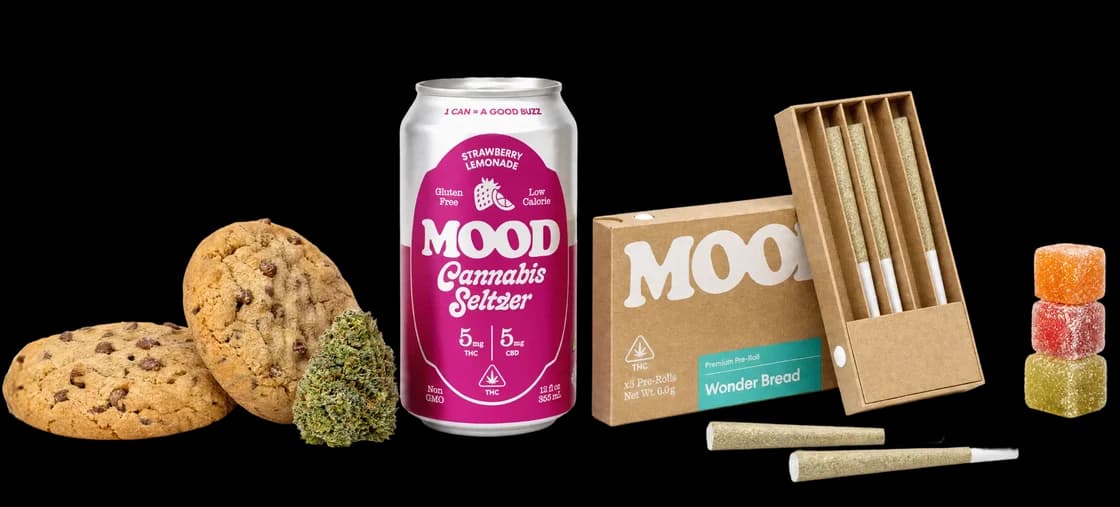
We believe cannabis consumers deserve access to complete testing information. Our third-party testing demonstrates what transparency looks like across all cannabis products. While we primarily offer THCa flower, Delta-9 THC gummies, and pre-rolls rather than dab concentrates, the principle remains the same: verified testing builds trust where disclosure gaps exist.
How To Buy Concentrates When CRC Use Is Not Disclosed
Smart concentrate shopping requires shifting focus from appearance to verification. Start by checking whether brands make COAs easily accessible. Reputable companies display testing results prominently on product pages, often with QR codes linking directly to lab reports. If you can't find testing information within 30 seconds, consider that a red flag.
Examine COA dates to confirm testing is recent. Cannabis degrades over time, so results from six months ago don't reflect current product quality. Look for testing completed within the past 60 days for concentrates.
Reading COAs Effectively
Focus on the panels that matter most for safety and quality. Residual solvents should show below action limits—typically 5,000 ppm for butane and propane combined. Heavy metals panels should report non-detect or far below maximum contaminant levels. Pesticide testing should show clean results across the tested compounds.
Potency panels verify that labeled cannabinoid percentages match actual content. This matters because some CRC processing can reduce cannabinoid concentration if media selection or ratios aren't optimized. A product claiming 80% THC should test within a few percentage points of that claim.
Why Color Fails As A Quality Signal
Here's the uncomfortable reality: you cannot determine quality from appearance. A pale concentrate might represent carefully cultivated cannabis, flash-frozen at harvest, extracted with precision, and refined through expert CRC processing. Or it might be degraded material from last season, extracted carelessly, and aggressively filtered to hide problems.
Similarly, darker concentrates don't automatically indicate lower quality. Some of the most flavorful, potent concentrates retain deeper coloration because extractors prioritize terpene preservation over appearance. Full-spectrum extracts often appear darker due to the complete compound profile they maintain.
Neither appearance tells the complete story. Only verified testing provides reliable quality information.
Brand Consistency Matters
Once you identify brands that publish comprehensive testing and maintain consistent standards, brand reputation becomes a useful quality signal. Companies that test every batch and make results public have more to lose from producing contaminated or misrepresented products. This accountability creates better outcomes than hoping visual inspection catches problems.
Explore our concentrate options to see how transparent testing and quality sourcing should work. Mood offers millions of users hemp-derived THC, which is 100% compliant cannabis. You may have heard that hemp-derived THC is currently under attack, which could threaten the wellness of so many. Read here to learn how to join the fight, and help us keep hemp cannabis accessible to all for a long time to come.
A Quick Technical Guide For Extraction Operators
Extraction technicians need practical information about media selection and process control. This section covers fundamentals without prescriptive standard operating procedures, since optimal parameters vary by extraction method, equipment, and material characteristics.
Media Roles and Selection
Bentonite clays target pigments and plant-based compounds through adsorption. They excel at chlorophyll removal but can also capture some terpenes if overused. Silica gel adsorbs a broad range of molecules, making it effective for general purification but requiring careful ratio calculation to avoid stripping desired compounds.
Activated carbon manages odor and hues while providing additional adsorption capacity. However, it requires the most careful handling due to ash content and potential for contamination. Use pharmaceutical-grade carbon from reliable suppliers and avoid reusing carbon between runs. Diatomaceous earth provides mechanical filtration while chemical adsorbents handle molecular separation.
Process Control Fundamentals
Calculate media ratios based on biomass quantity and expected cannabinoid yield. Running too much crude through too little media leads to rapid saturation and poor filtration. Using excessive media for the extract volume strips terpenes and cannabinoids unnecessarily.
Column sizing should prevent channeling where extract finds paths through media rather than contacting all surfaces evenly. Inadequate column diameter for the flow rate creates pressure differentials that push extract through weak points. Pack media in layers with consistent pressure to maintain separation between media types and uniform density throughout the column.
Sintered disk filters provide essential safety by retaining fine media particles. Position these at the column outlet before extract reaches the collection vessel. Filter pore size should catch the smallest media particles you're using—typically 2-10 microns for diatomaceous earth.
Inline Versus Post-Processing
Inline CRC during active extraction offers convenience by combining extraction and filtration in one pass. Post-processing pressure filtration provides more control over parameters and allows testing crude before committing to CRC. Each approach has benefits depending on your facility setup, automation level, and quality priorities.
Outcomes also vary significantly by extraction method. BHO extraction typically starts with higher terpene content, providing more buffer against CRC losses. Ethanol extraction removes more plant material initially, potentially requiring different media ratios. CO2 extraction produces different crude characteristics that respond differently to various media types.
Why CRC Rarely Appears On Product Labels
Most US states don't require disclosure of CRC use in processing.
No standardized methodology exists for identifying CRC-processed products through testing, and no specific lab panel flags filtration media use. This regulatory gap means brands can choose whether to mention CRC—and most choose not to.
Some jurisdictions have scrutinized specific practices. Oregon's cannabis regulatory body has examined CRC processing, particularly around safety standards and media contamination risks.
However, comprehensive regulation remains inconsistent across legal markets.
This lack of mandatory disclosure reinforces why COAs and brand reputation provide more reliable quality signals than hoping for transparency about processing methods. The cannabis industry won't uniformly adopt CRC disclosure without regulatory requirements.
Until that changes, consumers need verification strategies that work regardless of what brands choose to reveal.
Making Confident Choices About Cannabis Concentrates
Three core principles guide smart concentrate purchasing. First, CRC is a filtration step that changes appearance through pigment removal—nothing more, nothing less.
Second, lighter color doesn't guarantee quality, potency, or safety because appearance only confirms that filtration occurred. Third, verified third-party testing provides the most reliable way to evaluate any concentrate regardless of processing methods used.
Your action steps are straightforward. Check for accessible COAs before purchasing. Read the relevant panels—residual solvents, heavy metals, pesticides, and potency. Buy from brands with consistent transparency practices and comprehensive testing.
These strategies work whether or not CRC was involved in processing. They protect you from contamination, mislabeling, and low-quality products across all concentrate types. Color and appearance provide entertainment value but no real information about what you're putting in your body.
Explore Quality Cannabis Products
Ready to experience transparent cannabis? Discover our bestselling products including the Pluto strain for creative sessions, our 15mg Delta-9 THC gummies starting at $19 for a 10-count, or the Sleep gummies for restful evenings at $29 for a 10-count. Every product includes complete third-party testing and transparent sourcing.
This article provides educational information about cannabis processing methods. It does not constitute manufacturing advice, health claims, or wellness recommendations. Consult relevant regulatory authorities and qualified professionals for operational guidance.