


TL;DR: Cannabis sugar makes adding THC to your drinks and recipes straightforward once you understand what it actually is and how to work with it.
This is THC-infused granulated sugar you eat and drink, not the concentrate called sugar wax sold for dabbing.
The biggest thing to grasp is simple: you're working with regular sugar that happens to contain THC, and getting good results comes down to three things.
First, you need to know what cannabis sugar is and how it differs from other products with similar names.
Second, you calculate your THC amounts so every serving has the potency you want.
Third, you use it in recipes the same way you'd use regular sugar, with a couple of temperature guidelines to protect the THC.
This guide covers making cannabis sugar at home with the heating process and high-proof alcohol method, calculating THC per teaspoon and per serving, using it in drinks and baked goods without messing up the strength, and when to skip the 48-hour DIY process entirely.
Explore our bestsellers

Pluto
From $17.00

15mg Delta 9 THC Gummies
From $19.00

Sleep Gummies
From $29.00

Rapid Onset Delta 9 THC Gummies
From $29.00

Kush Mintz
From $16.00

Wonder Bread
From $16.00

THCa Moonrocks
From $10.64/g

50mg Delta 8 Gummies
From $39.00
Table of Contents
-
What Cannabis Sugar Is and What It Isn't
-
How to Make Cannabis Sugar at Home
-
Figuring Out THC Amount Per Serving
-
Drinks You Can Make Right Now
-
Baking and Cooking with Cannabis Sugar
-
Seeing the Math in Action
-
Storage and Shelf Life
-
Cost Comparison and When to Skip DIY
-
Quick Legal Notes
-
Your Next Steps
What Cannabis Sugar Is and What It Isn't
Cannabis sugar is THC bound to regular granulated sugar through high-proof alcohol.
You eat it in drinks and add it to recipes.
Sugar wax, by contrast, is a concentrate you buy at dispensaries for dabbing and vaporizing.
Different products, confusing similar names.
The advantage cannabis sugar has over butter or oil is water solubility.
It dissolves completely in cold lemonade and hot coffee without separating or leaving oil slicks floating on top.
The mild sweetness helps cover any herbal notes from the cannabis, making beverages taste clean.
You can use white sugar, brown sugar, coconut sugar, or monk fruit.
Powdered artificial sweeteners don't bind as well to the alcohol during the infusion process, so stick with granulated options.
You eat this sugar.
You don't smoke it.
Explore our categories




How to Make Cannabis Sugar at Home
Making cannabis sugar starts with a heating process.
THCa becomes more potent when exposed to heat.
Set your oven to 220°F and heat your ground cannabis for 30 to 40 minutes.
This step activates the plant material so the THC binds properly to the sugar.
The high-proof alcohol method works like this.
Take 3 to 4 grams of cannabis, grind it, and spread it on a baking sheet.
Heat at 220°F for 30 to 40 minutes.
Let it cool, then put the heated cannabis in a jar with enough high-proof alcohol like Everclear to cover it completely.
Let it soak for 30 minutes, then strain out the plant material.
Pour the strained liquid over 1 cup of granulated sugar in a shallow pan.
Stir thoroughly to coat every grain evenly.
This prevents hot spots where some sugar has way more THC than the rest.
Spread it thin and let it dry for 24 to 48 hours, stirring every few hours.
You'll know it's done when it goes from slightly damp to dry and crumbly with a faint herbal scent.
You can save money by using trim, shake, or what some sellers call Baker's Batch instead of premium flower.
Already-been-vaped material works too, though it adds a toasted flavor.
The process stays the same regardless of which cannabis you start with.
Figuring Out THC Amount Per Serving
Calculate THC per serving by dividing total mg THC by total teaspoons produced.
Here's how that works in practice.
Say you start with 3 grams of cannabis that's 20% THC.
That's 3000 milligrams of plant material times 0.20, which equals 600mg total THC.
One cup of sugar equals 48 teaspoons.
Divide 600mg by 48 teaspoons and you get 12.5mg of THC per teaspoon.
If you want 5mg per serving, use less than half a teaspoon.
If you want 10mg, use about three-quarters of a teaspoon.
Example Calculation:
-
3 grams of 20% THC cannabis = 600mg total THC
-
1 cup sugar = 48 teaspoons
-
600mg ÷ 48 teaspoons = 12.5mg per teaspoon
-
For 5mg serving: use 0.4 teaspoons
-
For 10mg serving: use 0.8 teaspoons
Start with 5mg or less per serving.
Wait 1 to 2 hours before taking more.
Edibles feel stronger and last longer than the same THC amount you'd inhale because your body processes them differently.
Mood is not a medical authority, and you should consult with a professional if you have questions about how cannabis affects you.
Keep baking temperatures at or below 350°F to preserve THC.
Higher heat degrades it.
When you make a batch of cookies or brownies, weigh the finished dough before portioning.
Divide the total weight by the number of servings you want.
This gives you consistent strength across every piece.
You can blend infused sugar with regular sugar to hit your target potency.
Want 6mg per cookie, but your infused sugar gives you 12.5mg per teaspoon?
Mix equal parts infused and regular sugar before adding to your recipe.

Drinks You Can Make Right Now
Cannabis sugar works immediately in drinks with zero cooking skills required.
Stir a measured amount into your morning coffee or tea.
The heat helps it dissolve faster.
Dissolve it in cold lemonade or iced tea for summer refreshment.
The water solubility means no oil separation.
Make THC-infused simple syrup by dissolving cannabis sugar in equal parts hot water.
Use this in cocktails or drizzle over pancakes.
Rim margarita glasses with cannabis sugar for controlled amounts with every sip.
Blend it into hot chocolate or chai for cozy evenings.
For slushies and freezies, dissolve the sugar in a small amount of warm water first, then add it to your frozen drink base.
This prevents clumping.
The water-dispersal advantage cannabis sugar has over oils makes cold drinks easy.
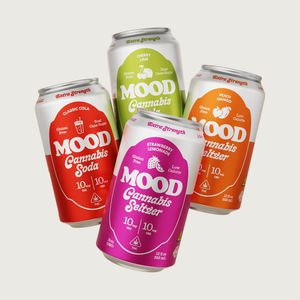
If you want convenience without the 48-hour drying wait and strength calculations, Mood's THC beverages eliminate the prep work entirely.
They're lab-tested for consistent potency and ready to drink.
Baking and Cooking with Cannabis Sugar
Cannabis sugar replaces regular sugar equally in most recipes.
Use it 1:1 wherever the recipe calls for granulated sugar.
You can bake cookies, brownies, cakes, muffins, and quick breads exactly as you normally would.
The blending technique gives you control over final potency.
Say your recipe needs 16 teaspoons of sugar, but you want half the THC strength your infused sugar delivers.
Use 8 teaspoons infused and 8 teaspoons regular.
Mix them together before adding to your batter for even distribution.
Beyond basic baking, you can blitz cannabis sugar into powdered form using a food processor.
This works perfectly for frosting.
Use it as a finishing sprinkle on top of completed desserts.
Coat homemade candies or gummies with it for an infused exterior.
Cookies and brownies are the classics everyone makes.
Cakes and muffins work just as well.
The most helpful thing you can do for consistent results is weigh your finished dough or batter, then divide it into equal portions by weight rather than eyeballing sizes.
Andy makes cannabis-infused cookies and baked goods if you'd rather skip the home baking.
Each piece is precisely measured so you know exactly what you're getting.
Seeing the Math in Action
Let's walk through a real cookie recipe to see how the THC calculation and portioning work together.
Your recipe calls for 16 teaspoons of sugar and makes 16 cookies.
You want each cookie to have about 6mg of THC.
Your infused sugar has 12.5mg per teaspoon based on the calculation from earlier.
Using 16 teaspoons straight would give you 200mg total THC in the batch, or 12.5mg per cookie.
That's too strong for what you want.
Mix 8 teaspoons of infused sugar with 8 teaspoons of regular sugar.
The 8 teaspoons of infused sugar gives you 100mg total THC in the batch.
Divide by 16 cookies and you get 6.25mg per cookie.
Cookie Batch Example:
-
Recipe needs: 16 teaspoons sugar
-
Your infused sugar: 12.5mg THC per teaspoon
-
Mix: 8 teaspoons infused + 8 teaspoons regular
-
Total THC: 8 × 12.5mg = 100mg
-
Per cookie: 100mg ÷ 16 = 6.25mg each
After mixing and baking, weigh the entire batch of cookie dough.
Say it weighs 480 grams.
Divide by 16 portions, and each cookie should weigh 30 grams.
Use a kitchen scale to portion them out.
This ensures every cookie has the same THC amount.
Storage and Shelf Life
Cannabis sugar lasts 6 to 12 months.
Store it in an airtight container.
Keep it in a cool, dry place away from direct sunlight and heat sources.
Watch for warning signs that it's degrading.
Clumping means moisture got in.
Visible mold means throw it out immediately.
Effects that feel noticeably weaker than when you first made it suggest the THC is breaking down.
Managing flavor comes down to strain choice and blending.
Lighter-tasting strains produce milder-flavored sugar.
You can blend cannabis sugar with vanilla sugar to mask herbal notes.
Live resin sugar gives you a stronger terpene profile if you want more cannabis flavor.
Cost Comparison and When to Skip DIY
The honest math on making cannabis sugar yourself looks like this.
Using 3 to 4 grams of 20% THC cannabis yields roughly 600 to 800mg of THC sugar.
Compare that to buying THC gummies with equivalent total THC.
The raw materials for DIY cost less.
The time investment is where DIY gets expensive in a different way.
You're looking at 48 hours minimum for the drying process, plus prep time and occasional stirring.
There's potential for uneven batches if you don't mix thoroughly during the coating step.
Hot spots in your finished sugar mean some servings are way stronger than others.
Mood's edibles and beverages solve this by offering third-party lab testing for consistent potency.
Zero prep time.
No THC calculations required.
Every serving is precisely portioned, so you know what you're getting.
Don't melt gummies to make sugar.
This is wasteful and expensive.
You're paying for the gelatin, flavoring, and other ingredients you don't want in your sugar.
Those additives ruin recipes by introducing unwanted textures and tastes.
Quick Legal Notes
Mood offers millions of users hemp-derived THC, which is 100% legal and fully compliant cannabis.
You may have heard that the legality of hemp-derived THC is currently under attack, which could threaten the wellness of so many.
Read here to learn how to join the fight and help us keep hemp cannabis accessible to all for a long time to come.
Cannabis laws vary by US state.
THC products show on drug tests regardless of legal status.
Purchase from licensed retailers when available and check for third-party lab results.
Online communities provide ongoing support for cannabis cooking questions.
Video tutorials help with visual learning.
Connecting with others who make cannabis sugar gives you troubleshooting help when you need it.
Your Next Steps
You've got two paths from here.
If you already have infused sugar, make a drink right now using the mg-per-teaspoon math you calculated.
Coffee and lemonade are the easiest starting points.
If you're planning to bake, remember the 350°F maximum temperature and weigh your dough for even portions.
For anyone deciding the 48-hour DIY process isn't worth it, Mood's ready-to-consume edibles offer lab-tested consistency without any prep work.
Andy's THC Chocolate Chip Cookies and other baked goods deliver precise amounts in familiar formats.
THC beverages give you the convenience of cannabis sugar in drinks without making it yourself.
Pick one application and try it.
That's how you move from reading about cannabis sugar to actually using it successfully.