


TL;DR: "Infused drinks" now mostly refer to cannabis beverages, and this guide breaks down THC, CBD, and botanical options.
The term "infused drinks" has undergone a dramatic shift in commercial contexts.
What was once described as fruit-steeped water or herbal tea is now defaulting to cannabis beverages in most retail and online conversations.
This creates genuine confusion for newcomers exploring smoke-free options with predictable amounts and clear legal standing.
Three main categories dominate today's market:
- THC drinks that produce psychoactive effects.
- CBD drinks that offer non-intoxicating relaxation.
- Botanical or adaptogenic alternatives that skip cannabis entirely.
This guide is written for sober-curious adults and cannabis consumers who want straight answers on amounts, drug testing, driving rules, and the legal landscape before making their first purchase.
Check out Mood's beverage category for a refreshing sip today.
Explore Beverages

Boost Pre-Workout
From $46.00

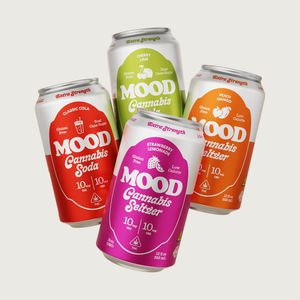
Variety Pack (2 Sodas + 2 Seltzers)
From $19.00

Sleep Hot Cocoa
From $49.00

Cherry Lime Soda 4-pack
From $19.00

Classic Cola 4-pack
From $19.00

Peach Mango Seltzer 4-pack
From $19.00

Strawberry Lemonade Seltzer 4-pack
From $19.00

The Gentle Introduction
From $74.00
$87.00
Table of Contents
- What Are Infused Drinks?
- How THC Drinks Produce Their Effects
- Adaptogens, Nootropics, and Other Functional Alternatives
- THC Amount Basics for First-Time Buyers
- THC Beverages vs. Alcohol: What to Expect
- Legal Status and Drug Testing Reality
- Finding the Right Infused Drink for You
What Are Infused Drinks?
Infusion is the process of steeping or emulsifying compounds into a liquid base.
This traditionally meant tea leaves in hot water, fruit slices in cold water, or herbs steeped for flavor and aroma.
The commercial context has shifted heavily toward cannabis beverages, though other categories remain relevant depending on what consumers are actually seeking.
Today's infused drink market operates within three distinct categories:
- Cannabis-infused options, including THC drinks that produce psychoactive effects and CBD drinks that don't.
- Functional or adaptogenic drinks featuring ingredients like ashwagandha, kava, or lion's mane for targeted effects.
- Traditional culinary infusions that still exist as fruit waters, botanical teas, and herbal blends.
Cannabis drinks offer social rituals and portion control that align with how people already consume beverages, making the transition feel more natural than switching to gummies or chocolates.
The terminology matters because search behavior reflects genuine confusion, with someone searching "infused drinks" potentially wanting THC beverages, CBD seltzers, or simply fruit-infused water recipes.
Understanding which category aligns with your actual needs prevents disappointment and wasted purchases.
Still confused? Try The Gentle Introduction for a combination of edible and beverage formats that caters to varying preferences.
How THC Drinks Produce Their Effects
THC (tetrahydrocannabinol) binds to CB1 receptors in the brain and central nervous system.
It triggers psychoactive effects and changes in sensory experience.
The intensity and character of these effects depend on the amount consumed, individual tolerance, and whether other cannabinoids, such as CBD, are present.
Modern THC drinks use nano-emulsification technology to make THC water-soluble.
This solves the problem that standard THC molecules are fat-soluble and poorly absorbed in the digestive tract (which is why traditional edibles take 90 minutes to two hours to kick in).
Nano-emulsification breaks THC into microscopic particles that absorb through soft tissues in the mouth, esophagus, and stomach lining rather than waiting for full digestion.
The result is an onset time of 10 to 15 minutes for most consumers, allowing them to gauge effects sooner.
In contrast, traditional edibles can take longer to produce noticeable effects, which sometimes leads users to consume more before the initial onset is felt.
With drinks, you know how the amount affects you within minutes, allowing for better self-regulation.
Vice tested Mood's THC beverages and found the 1:1 THC-to-CBD ratio creates a "balanced and breezy high" that "lifts you an inch at a time,"
They described effects lasting "at least four hours, roughly double the length of many other THC drink highs."
This extended duration comes from the balanced cannabinoid profile rather than higher THC content.
It creates a more functional high with fewer effects than THC-only products at the same milligram level.
Nano-emulsified THC drinks also exit your system differently than traditional edibles in that faster absorption means faster metabolization.
However, THC metabolites remain detectable in drug tests for the same duration regardless of consumption method.
The perceived shorter duration of effects doesn't mean the compounds leave your system faster; it just means the acute psychoactive phase ends sooner.
Individual variation remains significant, such as:
- Body weight
- Metabolic rate
- Recent food intake
- Tolerance to regular use
- Genetic factors
These all influence how quickly effects begin, how intense they feel, and how long they last.
If you're ready for a rapid-acting experience, add a splash of Euphoric Nano THC Syrup to your favorite drink.

Adaptogens, Nootropics, and Other Functional Alternatives
Adaptogens are plant-derived ingredients commonly included in beverages that are positioned around lifestyle themes rather than intoxication.
Drinks in this category often feature ingredients such as ashwagandha, reishi mushroom, or rhodiola.
Fruit-infused water, herbal teas, and botanical blends offer flavor and ritual without cannabinoids or psychoactive ingredients.
These products do not contain cannabinoids and are not intended to produce a high or impairment.
Nootropic beverages are typically marketed around focus-oriented routines, often combining ingredients such as L-theanine, lion’s mane mushroom, or caffeine.
Rather than creating psychoactive effects, these drinks are positioned as daytime or productivity-friendly options.
Any noticeable effects are generally described by users as subtle and routine-based rather than recreational.
Kava beverages are sometimes described as the closest non-cannabis alternative to a social “buzz,” as kava contains naturally occurring compounds called kavalactones.
Kava’s effects vary widely depending on the formulation, preparation method, and individual response.
Traditional culinary infusions remain relevant if you searched “infused drinks” expecting recipes rather than cannabis beverages.
If you're not interested in cannabis-derived products, these alternatives provide beverage variety without THC effects.
However, it’s important to set expectations appropriately, as these drinks are not substitutes for cannabis and produce entirely different experiences.
Mood's Sleep Hot Cocoa combines ashwagandha, reishi, and L-Theanine with THC for a perfect evening blend.
THC Amount Basics for First-Time Buyers
Standard THC amounts follow general tiers, with the microdose range of 1 to 2.5 milligrams producing minimal to no effects for most users (though highly sensitive individuals might feel mild effects).
The low end of the range, 3 to 5 milligrams, produces noticeable yet mild effects for beginners, while regular consumers might find this level barely perceptible.
Moderate amounts fall between 10 and 15 milligrams and produce clear psychoactive effects, suiting experienced users but often overwhelming newcomers.
High amounts of 20 milligrams or above are appropriate only for consumers with established tolerance who use cannabis regularly, and first-time users should avoid this range entirely.
Individual variation makes these tiers approximate rather than universal, as metabolism speed affects how quickly you process THC (with faster metabolizers experiencing shorter, less intense effects).
Body weight also plays a role, as does recent food intake.
Consuming THC drinks on an empty stomach typically intensifies effects, while having eaten recently moderates the.
Previous tolerance from regular cannabis use dramatically shifts what amount feels appropriate.
The "start low and go slow" principle means trying 2.5 to 5 milligrams for your first experience, then waiting at least 60 minutes before considering more.
Nano-emulsified drinks reduce this waiting period compared to traditional edibles, but individual response times still vary.
Resist the temptation to redose within the first 30 minutes, even if you feel nothing yet.
Faster onset with drinks (10 to 15 minutes versus 90-plus minutes for edibles) serves as a safety feature rather than just a convenience.
This feedback loop reduces the classic edible mistake of consuming too much while still waiting for the first amount to kick in.
Duration varies based on the amount consumed and individual factors, with a few milligrams potentially offering a subtle effect for 1 to 2 hours, while 10 to 20 milligrams often lasts 4 to 6 hours.
Popular THC seltzer brands typically offer 5 milligram options as their standard product.
Some offer 2.5-milligram options for light users and 10-milligram versions for experienced consumers.
Mood's beverages follow this pattern with clear labeling of THC and CBD content per can.
THC Beverages vs. Alcohol: What to Expect
THC and alcohol affect the body through different biological systems and tend to produce distinct subjective experiences.
THC interacts with the endocannabinoid system, while alcohol primarily acts as a central nervous system depressant.
Because they operate differently, there is no direct or reliable “THC-to-alcohol” equivalency.
Timing can also differ, as many nano-emulsified THC drinks are felt within approximately 10 to 15 minutes and may last several hours, depending on the amount consumed and individual response.
Alcohol is typically felt within minutes and may intensify as additional servings are consumed over time.
Peak intensity, duration, and the overall experience can vary significantly between the two.
Alcohol’s effects are familiar to many adults, while THC experiences are often described in terms of mood shifts or sensory changes.
Individual sensitivity to THC varies widely, meaning the same milligram amount may feel mild for one person and stronger for another.
For some adults, THC beverages provide a non-alcoholic option in social settings because they maintain a familiar beverage format and portion clarity.
However, the experience differs meaningfully from alcohol, and preference typically depends on the context and the type of experience someone is seeking.
Explore our categories




Legal Status and Drug Testing Reality
Mood offers millions of users hemp-derived THC, which is 100% legal and fully compliant cannabis.
You may have heard that the legality of hemp-derived THC is currently under attack, which could threaten the wellness of so many.
Read here to learn how to join the fight and help us keep hemp cannabis accessible to all for a long time to come.
State laws vary significantly regarding hemp-derived THC products, with some states allowing retail sales while others restrict or prohibit them.
Because of this variation, you should confirm your local regulations before purchasing to ensure products can legally ship to your address.
Federal policy has also introduced evolving definitions and product requirements, with certain transitions extending through late 2026.
Regulatory updates can change how products are classified over time, even if items purchased legally remain lawful for personal possession.
Thus, drug testing is an important practical consideration.
Hemp-derived THC produces metabolites, including THC-COOH, which standard workplace and athletic drug tests detect.
Even low-strength THC beverages can result in a positive drug test depending on strength, metabolism, timing, and test sensitivity.
Detection windows vary widely, extending for days or weeks after occasional use and longer for frequent use.
This creates a real distinction between legal purchase and employment policy, as legality does not override workplace drug-testing rules.
Finding the Right Infused Drink for You
Choosing between THC, CBD, and botanical options depends on your goals, tolerance, and practical constraints.
THC drinks offer a social effect without the traditional hangover.
CBD drinks provide ease without psychoactive effects, making them more suitable for situations that require clarity of mind.
Botanical and adaptogenic drinks skip cannabis entirely and focus on subtle functional effects through non-cannabinoid ingredients.
If you’re trying THC for the first time, start low at 2.5 to 5 milligrams and wait at least 60 minutes before considering more.
This pacing helps reduce the likelihood of discomfort that can happen when too much is consumed too quickly.
You can always increase your amount on a future occasion, but you cannot reverse what you’ve already taken.
If you’re unsure which format suits you best, Mood’s variety packs offer a lower-commitment way to compare different THC-to-CBD ratios, flavor profiles, and strength levels before committing to larger quantities.


